Each semester, Island School students dive into hands-on research alongside scientists from the Cape Eleuthera Institute, contributing to meaningful, place-based studies that explore the unique ecosystems of The Bahamas. These Spring 2025 research groups—focused on conch, stingrays, coral grazers, corals, lobsters, sharks, and sustainable energy—are tackling real-world questions with curiosity, collaboration, and care.
In this blog series, students share their experiences, challenges, and discoveries as they navigate the research process and deepen their understanding of both science and self.
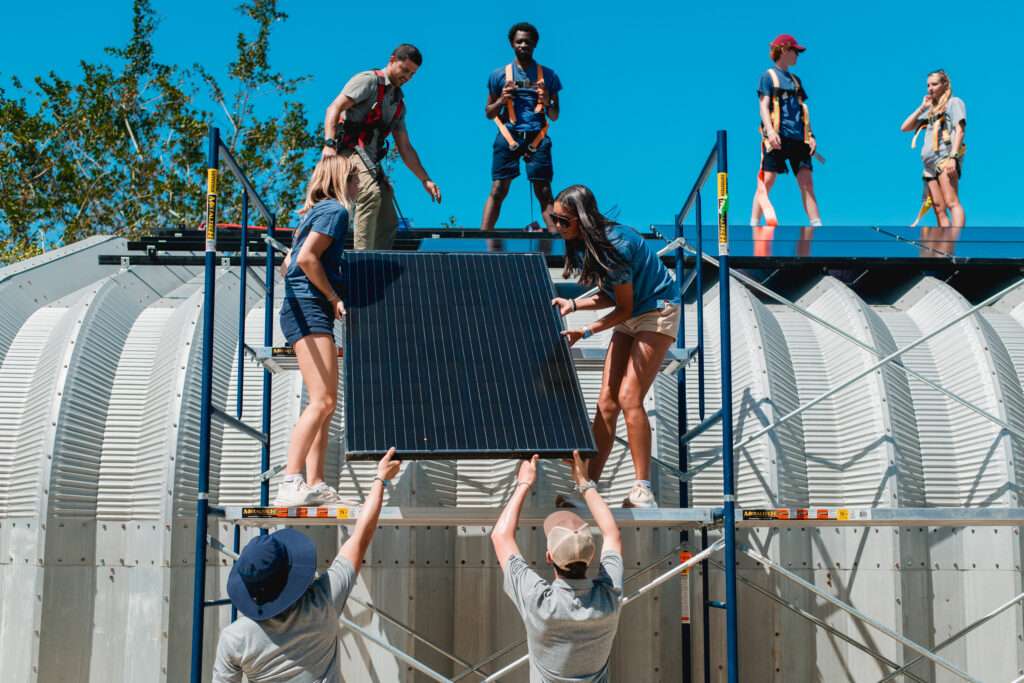
Renewable Energy
What is energy and how do its sources affect our environment? Spring 2025 Semester students working on the Renewable Energy research project are investigating how to create a more sustainable future through clean energy production. Read more.
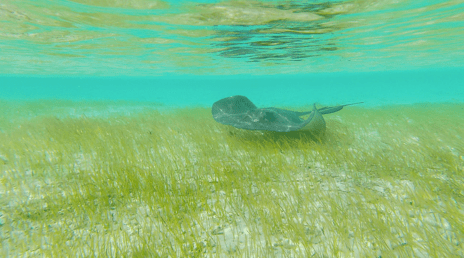
Stingrays
Batoids (stingrays and skates) are vulnerable to environmental and human threats—they have experienced a 31% increase in threatened species between 1970 and 2020. Students working with the stingray research group are working to support ray conservation in The Bahamas by filling knowledge gaps around abundance, diversity, and threats. Read more.

Conch Conservation
Conch are incredibly important to The Bahamas’ culture, economy, and ecology. This semester, the conch research project is focused on assessing long-term population densities of queen conch in South Eleuthera to inform conservation initiatives. Read more.
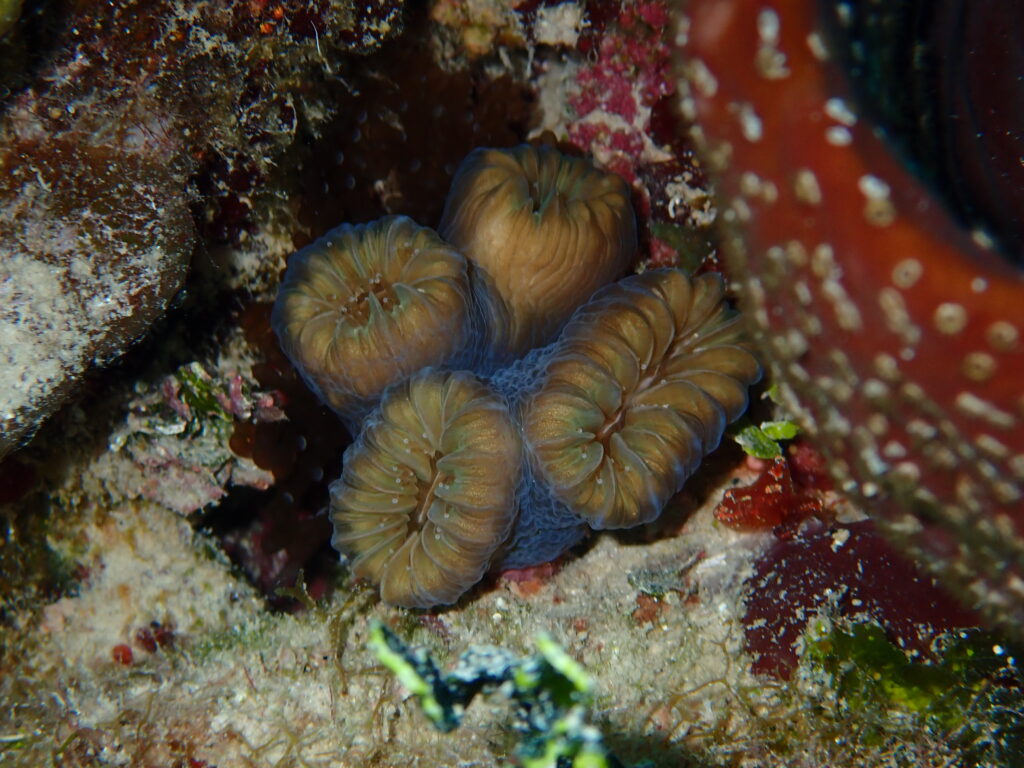
Juvenile Coral Reef Health & Resilience
Around the globe, coral reefs are under increasing levels of stress due to environmental factors and are more prone to disease and mortality, making it difficult for coral juveniles to grow. The coral research project has been conducting reef surveys throughout the semester to assess the status and health of coral juveniles to identify species that are more resilient. Read more.
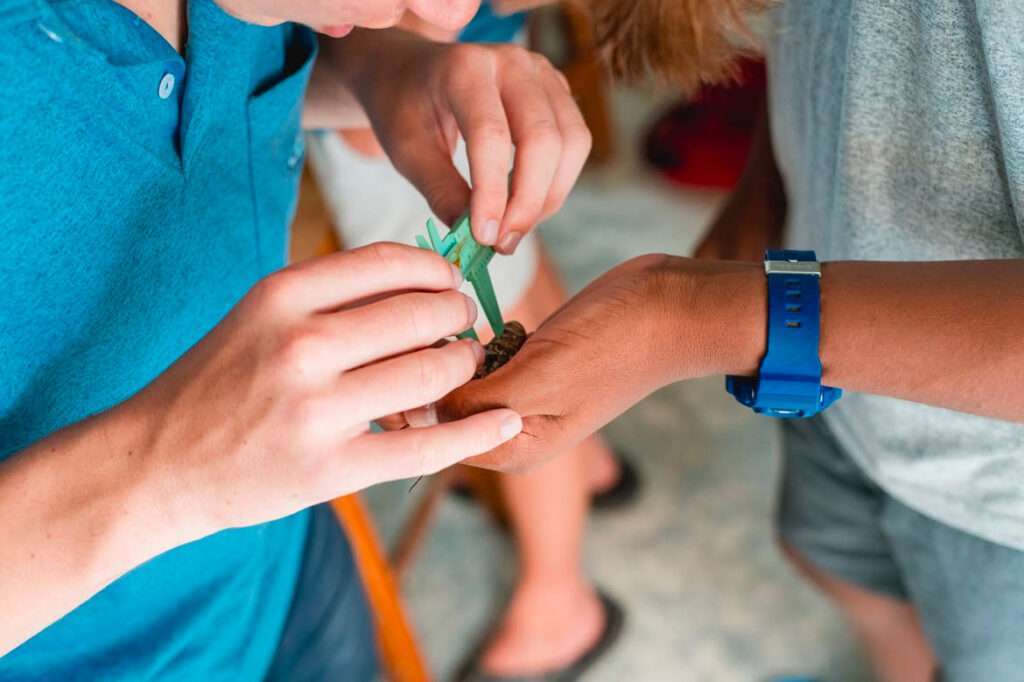
Lobsters
Spiny lobsters are one of the most valuable seafoods thanks to their high demand and limited supply. Lobster aquaculture has emerged as an opportunity to protect wild lobster populations—but how can we source sustainable feed? The lobster research group is studying lobster nutrition and looking into affordable, sustainable feed. Read more.
Sharks
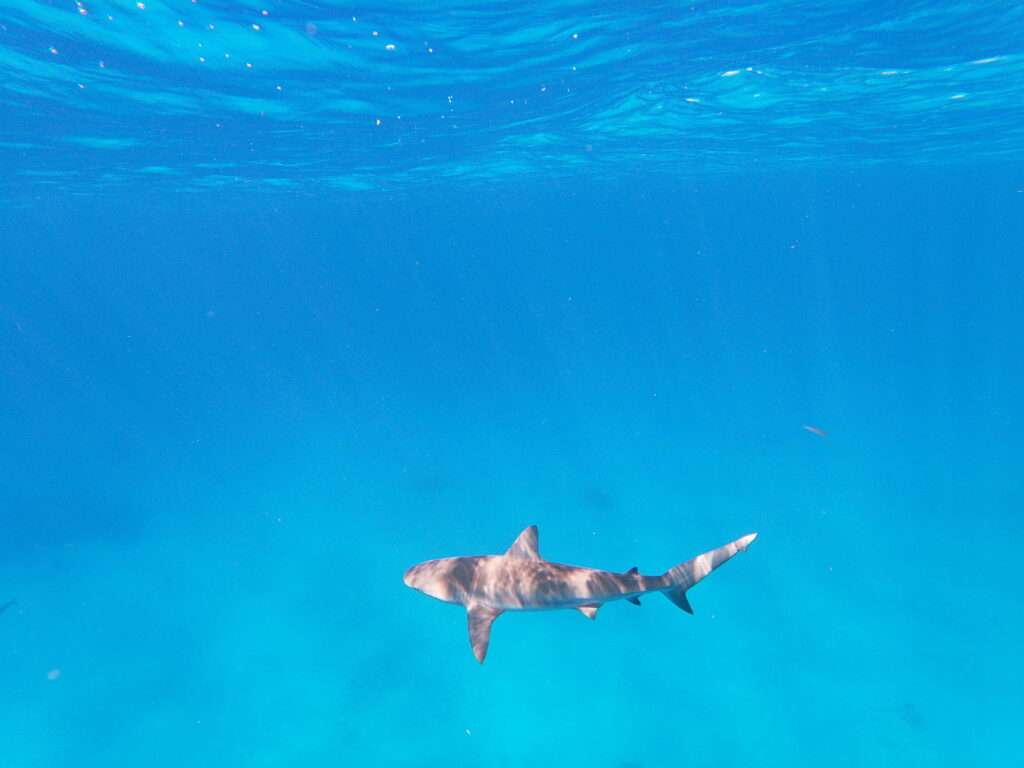
Every year, shark tourism brings in more than $113 million to The Bahamas, largely due to healthy shark populations as a result of the Bahamas Shark Sanctuary, which was established in 2011. But how does human feeding activity impact shark behavior? That’s what the shark behavior research group set out to determine this spring. Read more.
Coral Grazers
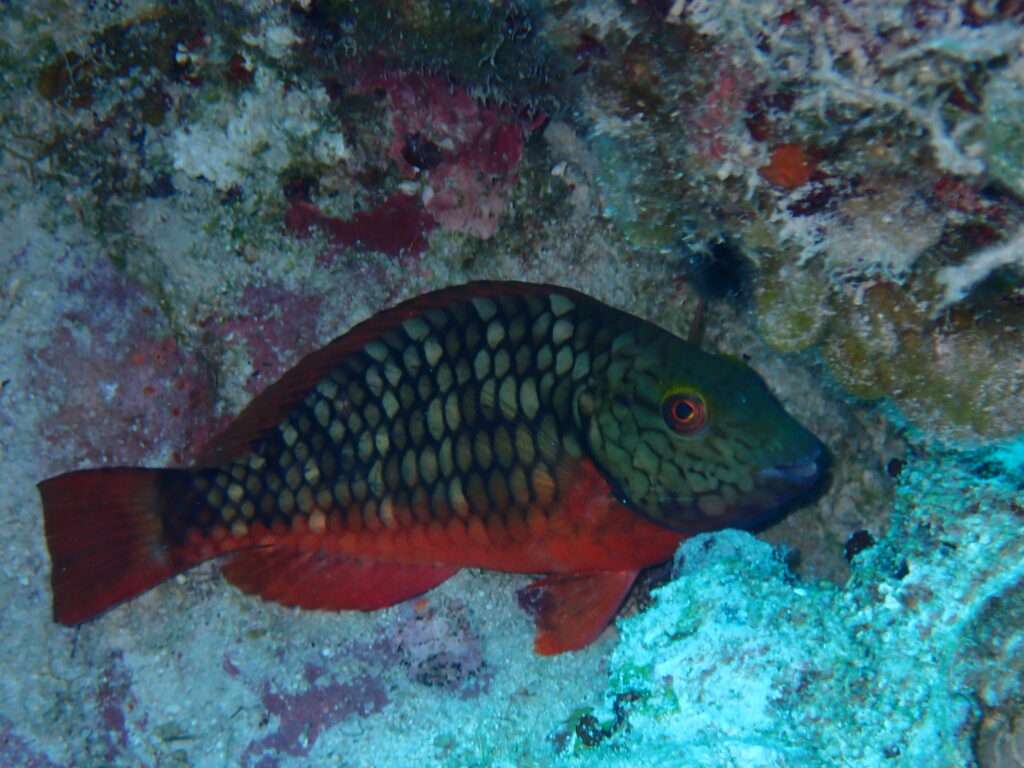
With the current rise in ocean temperatures, an issue globally in our oceans is an increase in macroalgae cover on coral reefs, which makes corals more susceptible to bleaching and disease. Animals such as Tripneustes sea urchins, Maguimithrax crabs, and certain types of fish such as parrot fish are labeled as grazers. The coral grazers research group has been conducting surveys to determine the abundance and diversity of grazers on Bahamian reefs. Read more.