Fish Ecophysiology
Caribbean Fishes in a Changing Ocean
Climate change is a major threat to ocean health globally. The oceans are becoming warmer and more acidic as they absorb more heat and CO2 from the atmosphere, and these changes are causing concurrent decreases in water oxygen levels (hypoxia). These physiochemical changes have significant direct impacts on marine organisms. However, their effects are also complex and interrelated, and extend to organismal and ecosystem level interactions (e.g., predator-prey relationships, changes in species’ distribution etc.).
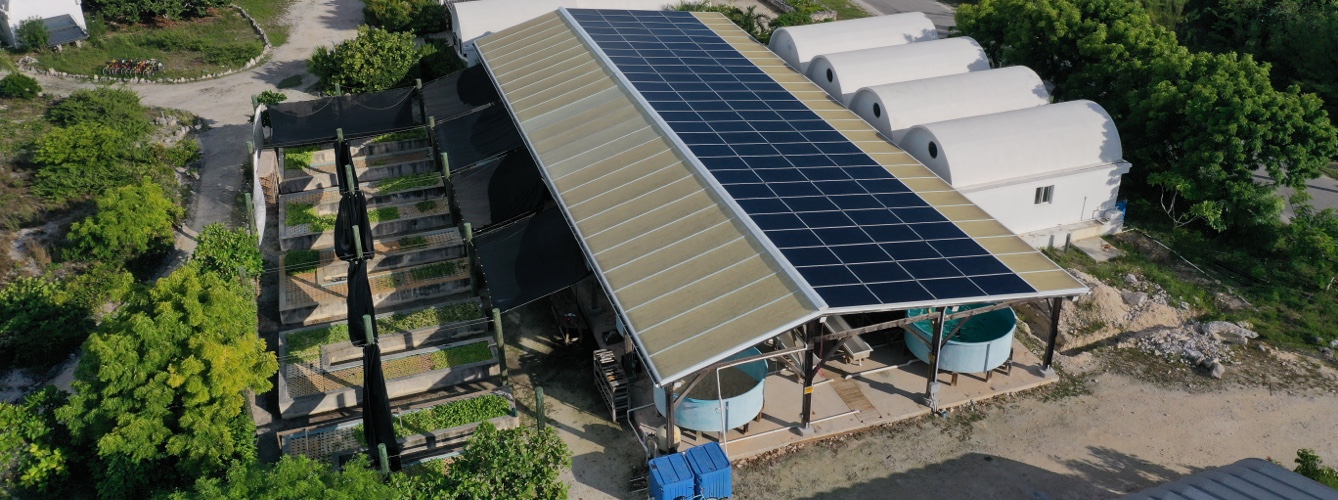
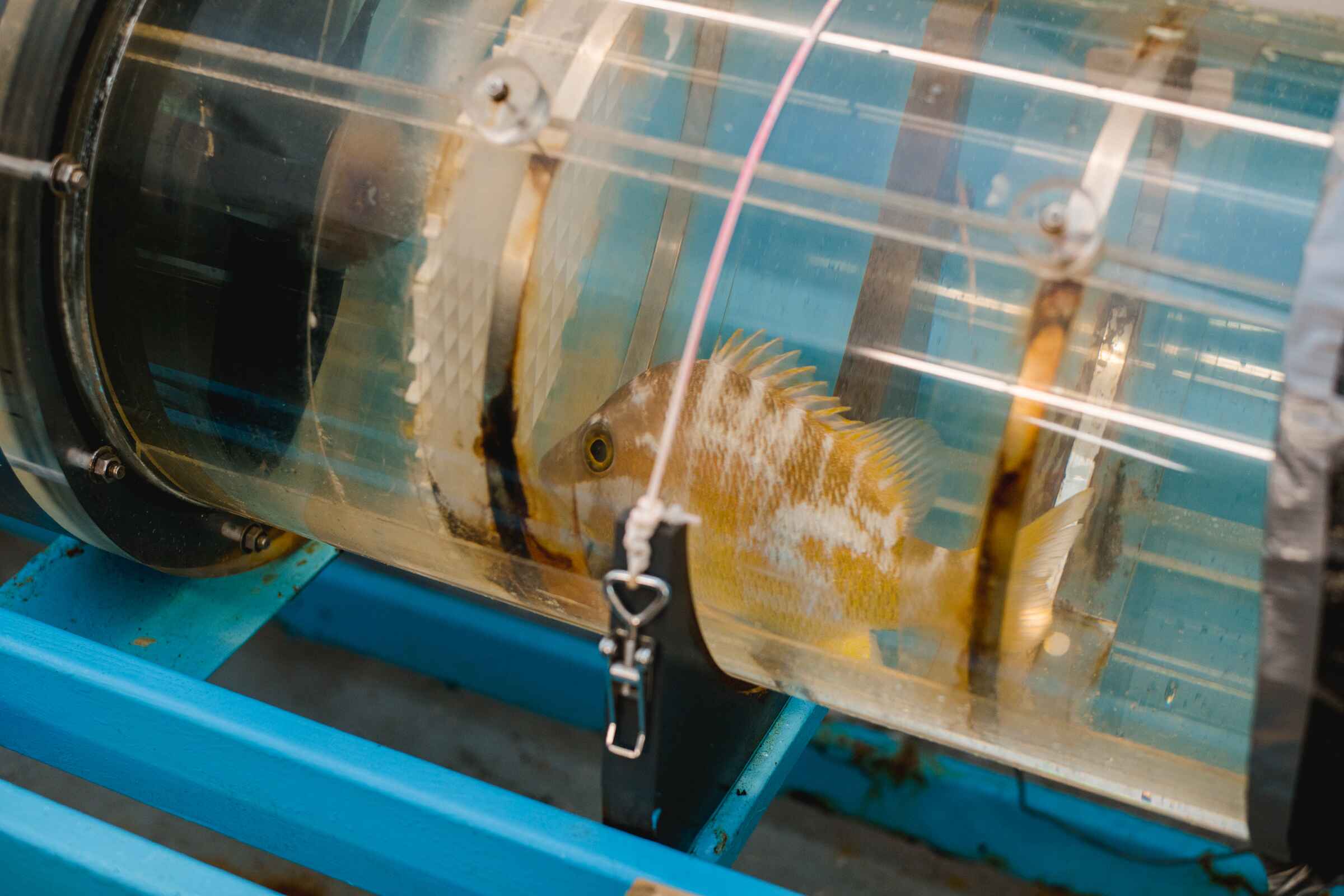
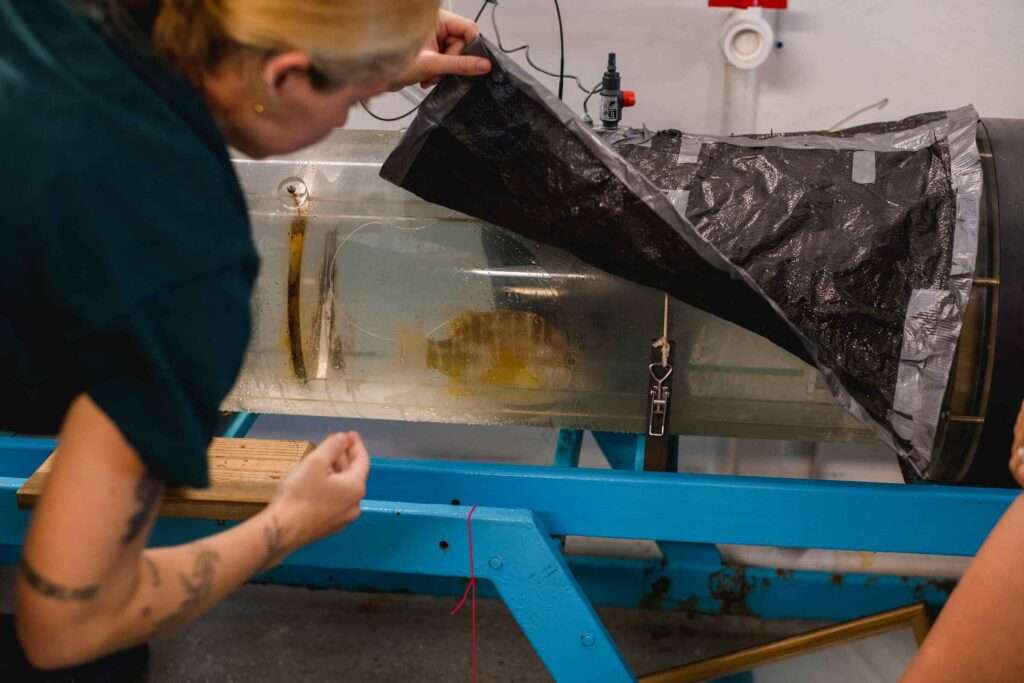
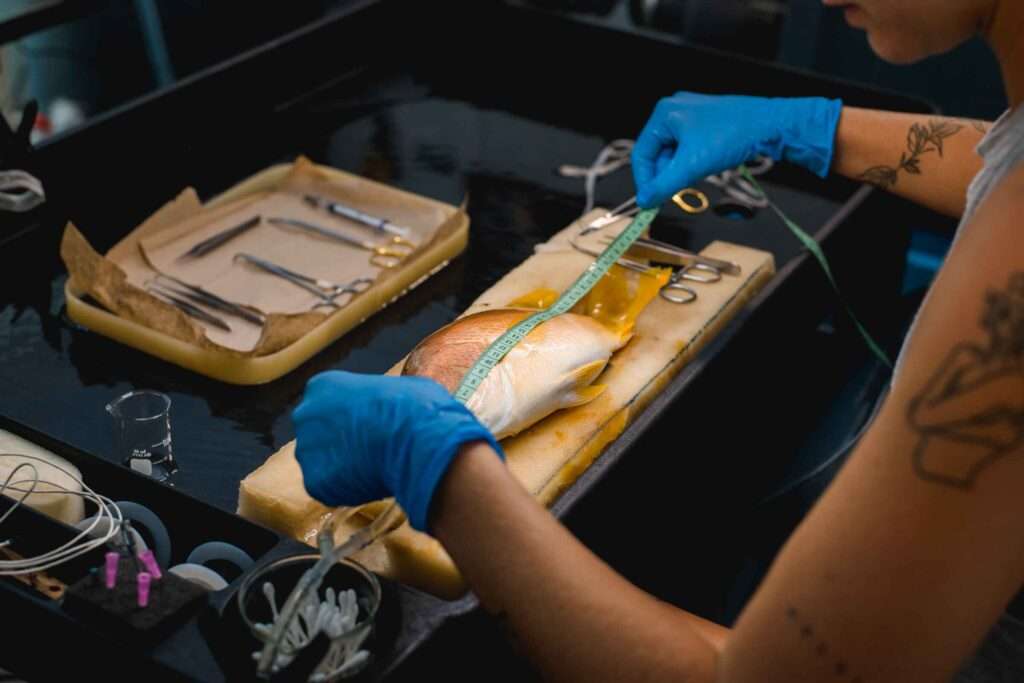
Recently, Drs. Kurt Gamperl from Memorial University of Newfoundland and Nicola Smith from Concordia University established research programs at the Cape Eleuthera Institute to quantify and predict the extent and scope of the problem with regards to Caribbean—especially Bahamian—fishes. This research involves monitoring ocean conditions in select habitats (e.g., mangrove creeks, patch reefs, and sand flats), determining the impacts of temperature and oxygen levels on various levels of fish ‘performance’ (e.g., swimming ability, metabolic capacity, heart function, and temperature tolerance), and asking questions about how susceptible Bahamian reefs are to marine invasive species in the era of climate change. The overarching goal of this research is to inform management and conservation efforts for Bahamian species of ecological and economic importance.
Publications
Porter, E.S., Smith, F.M., and Gamperl, A.K.. (submitted). Electrical conduction across the atrioventricular canal plays an important role in determining the maximum heart rate of fishes. Journal of Experimental Biology
Syme, D.A., Porter, E.S., Seamone, S.G., and Gamperl, A.K.. (submitted). Myocardial Contraction Kinetics and Performance Underlie Differences in Cardiac Pumping and Metabolic Capacity Between Tropical Fish Species. Journal of Experimental Biology.
Porter, E.S., Gamperl, A.K.. The cardiorespiratory response of Atlantic salmon and Nile tilapia to similar acute thermal and hypoxic challenges: the complete story. Am J Physiol Regul Integr Comp Physiol. 2026
Gamperl, A.K., Stevens, E.D.. The relevance and application of measures of thermal tolerance to fish ecology, conservation, and aquaculture. Conservation Physiology. 2026.
Dunford, F.P.H., Porter, E.S., Gamperl, A.K.. Increased heart rate and blood oxygen extraction are key to the ability of schoolmaster snapper (Lutjanus apodus) to swim maximally at high temperatures. J Exp Biol. 2026.
Porter, E. S., and Gamperl, A. K.. Effects of acute cooling and bradycardia on central venous pressure and cardiac function in Nile tilapia (Oreochromis niloticus). Journal of Comparative Physiology B (2025): 1-7.
Gamperl, A.K., Porter, E.S., Brooks, A.B.. The scaled sardine’s unique metabolic phenotype and its implications for the susceptibility of small tropical pelagic fishes to climate change. Sci Rep 15, 14496 (2025).
Sandrelli, R.M., Porter, E.S., and Gamperl, A.K.. (2024). Hyperoxia does not improve the upper thermal tolerance of a tropical marine fish (Lutjanus apodus). Journal of Experimental Biology 227 (21): jeb247703. https://doi.org/10.1242/jeb.247703
Nati, J.H.H., Malorey, P., and Gamperl, A.K.. (2024). Near maximally swimming schoolmaster snapper (Lutjanus apodus ) have a greater metabolic capacity, and only a slightly lower thermal tolerance, than when tested at rest. Journal of Experimental Biology jeb.249273. https://doi.org/10.1242/jeb.249273
Malorey, P., Porter, E.S., Gamperl, A. K., Briffa, M., and Wilson, A.D.M.. (2024). Swimming performance, but not metabolism, is related to the boldness-activity syndrome in schoolmaster snapper (Lutjanus apodus). Journal of Fish Biology. https://doi.org/10.1111/jfb.15900
Porter, E.S. and Gamperl, A.K.. (2023) Seasonal temperatures in South Eleuthera, The Bahamas, have considerable impacts on the cardiorespiratory function and swimming performance of Nassau grouper (Epinephelus striatus). Conservation Physiology. https://doi.org/10.1093/conphys/coad086