Solar Energy Provides Opportunities for Small Island Nations
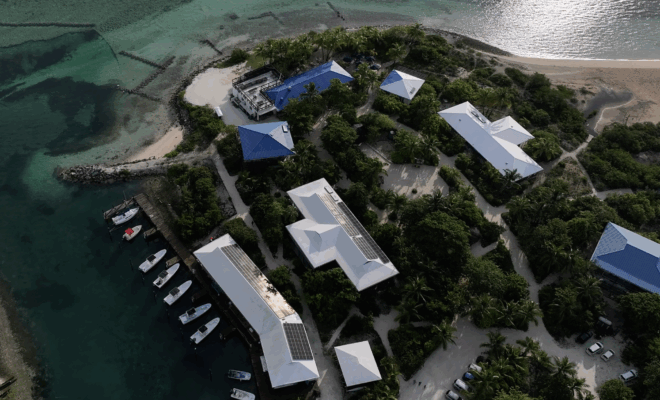
In the fall of 2025, the Cape Eleuthera Institute (CEI) welcomed Samantha Ramirez Ruvalcaba and Izzy Battiston as interns to learn from and assist our sustainable energy research team.
Last summer brought another intense storm season to the Atlantic Ocean, delivering 13 tropical cyclones—five of which became hurricanes—including Hurricane Melissa, which grew to one of the strongest storms ever recorded before narrowly missing Eleuthera.
Over the years, studies have shown a direct link between anthropogenic carbon emissions and the increased strength and frequency of hurricanes.
We also know that storm season strains our critical infrastructure, including reliable access to energy and water. Even with dedicated support from our local line crews, the infrastructure can be difficult to maintain, especially during storm season. Living on Eleuthera, most of our energy comes from imported diesel fuel. Every time we flip on a light, we’re tapping into a system that not only can be expensive but also is susceptible to storm damage and dependent on global markets.
To take this further, the Energy sector is responsible for just over one-third of global anthropogenic greenhouse gas emissions. This means that the effects we face due to climate change can be largely reduced simply by transitioning to renewable energy sources to power our lives. With The Bahamas’ contribution to global emissions being relatively little, the importance of climate mitigation is surpassed by the need for climate adaptation.
Solar energy shifts that story.
Solar Arrays Increase Sustainable Energy Production at The Island School
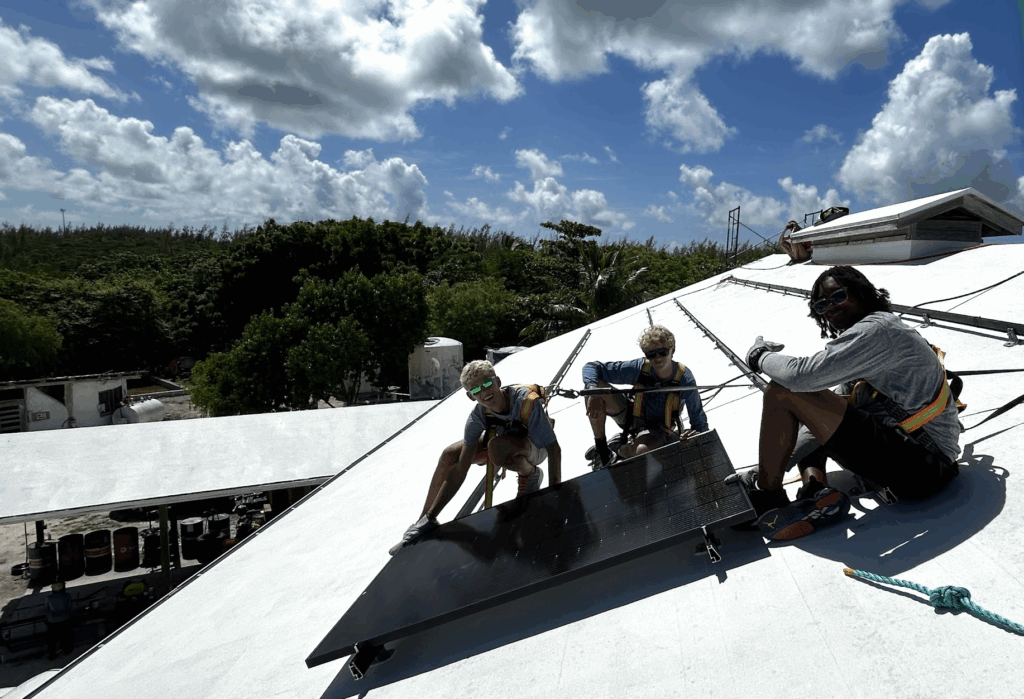
Last semester, a group of Island School students aimed to promote sustainable energy usage and reduce carbon emissions while strengthening our campus’s hurricane shelter power supply. In order to complete these goals, students installed 20 solar panels and 15 kWh of battery storage on our designated hurricane shelter, the Cape Eleuthera Institute’s Centre for Sustainable Development (CSD). Thanks to this installation, the CSD building can now function indefinitely without reliance on the grid. The batteries can provide up to 30 hours of continuous power in complete darkness and can recharge in just a few hours of good sunlight. This means our hurricane shelter can remain fully powered both during and in the aftermath of severe storms, even if the grid were to go down.
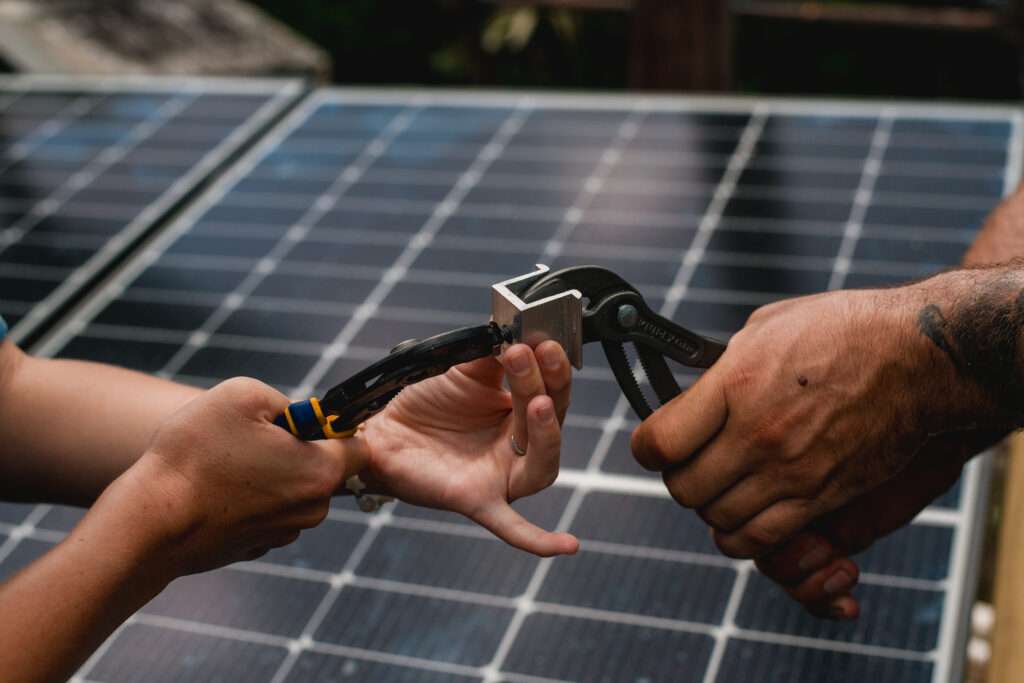
Solar energy provides a sustainable, reliable, and renewable alternative to diesel-generated power that can help promote a circular economy—the idea that money and resources should flow within a community instead of leaking out. Instead of paying to import fuel, we can save on operating costs and re-invest into the local workforce.
When we put up panels, we’re turning something Eleuthera has plenty of – sunlight – into power. In this way, we’re doing our best to protect our environment, promote a prosperous economy, and ensure safe and reliable access to electricity for Eleuthera’s residents, aligning with the global Sustainable Development Goals set forth by the United Nations.
Island School Grid Demonstrates Possibilities of Clean Energy
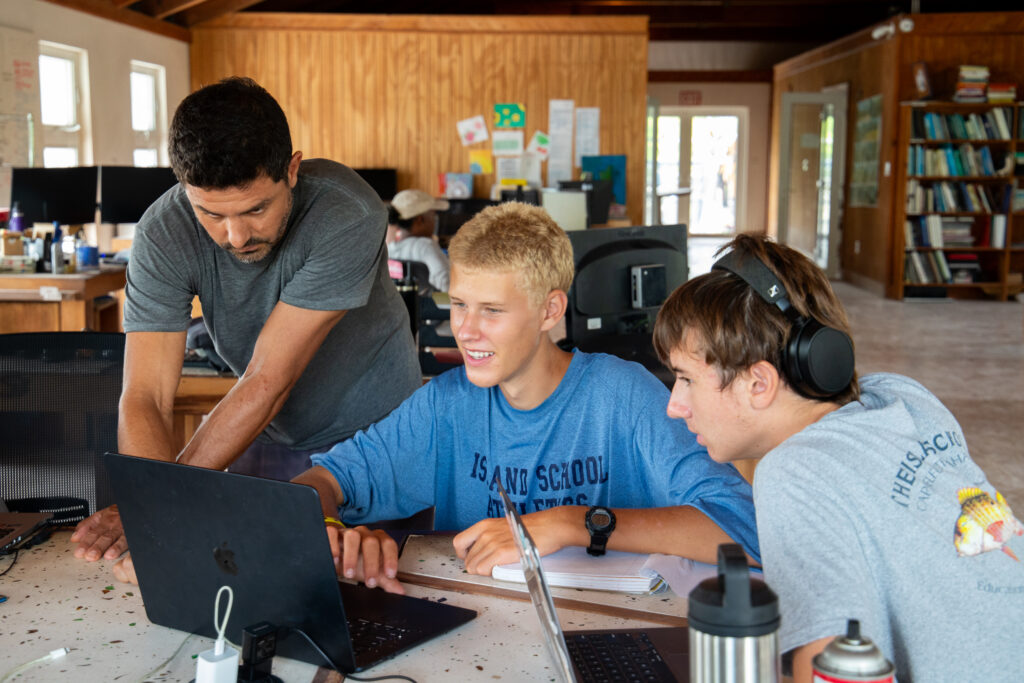
As the cost of solar continues to drop and more people are trained in installation and maintenance, the associated benefits increase. If done correctly, every panel installed can build skills, create jobs, save money, and provide climate resilience. This project—as well as past semesters’ renewable energy projects—has helped The Island School offset close to 40% of its electricity consumption with clean power.
The best part is that solar projects similar to those on our campus aren’t difficult to replicate. The same type of rooftop systems can be installed on shops in Rock Sound, homes in Tarpum Bay, schools in Governor’s Harbour, or clinics up and down the island. It is often said that small actions lead to big changes, and Eleuthera is already on its way.