Agroforestry in the Coppice?
Article written by Eric Schneider, PhD, Director of Research & Innovation at the Cape Eleuthera Institute.
Like many other island nations, The Bahamas is a food-insecure country, growing only 10% of the food we consume. The rest is imported, making us heavily reliant on outside factors and the wider global food production system. Thankfully, during the COVID-19 pandemic, ‘the boats didn’t stop coming,’ but there is an obvious need for us to get creative with our food production systems in the Family Islands.
Eleuthera has a proud agricultural background. The island was once known as The Breadbasket of The Bahamas and provided dairy, eggs, and produce to the rest of the country. However, farming has not been widely embraced by younger generations because of a variety of factors. Conventional agriculture can be challenging and unproductive in our low-lying, wind-prone landscape where topsoil is a precious—and sometimes scarce—resource.
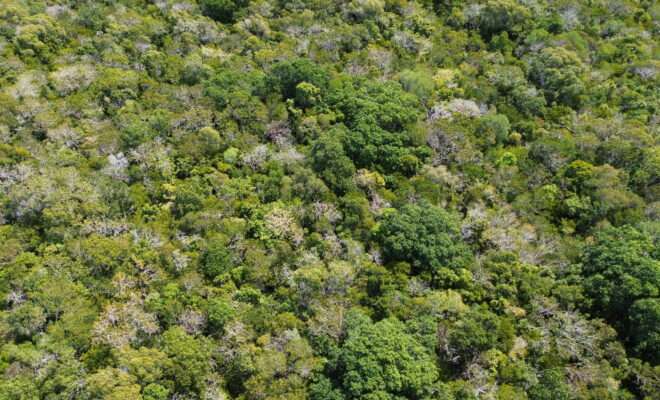
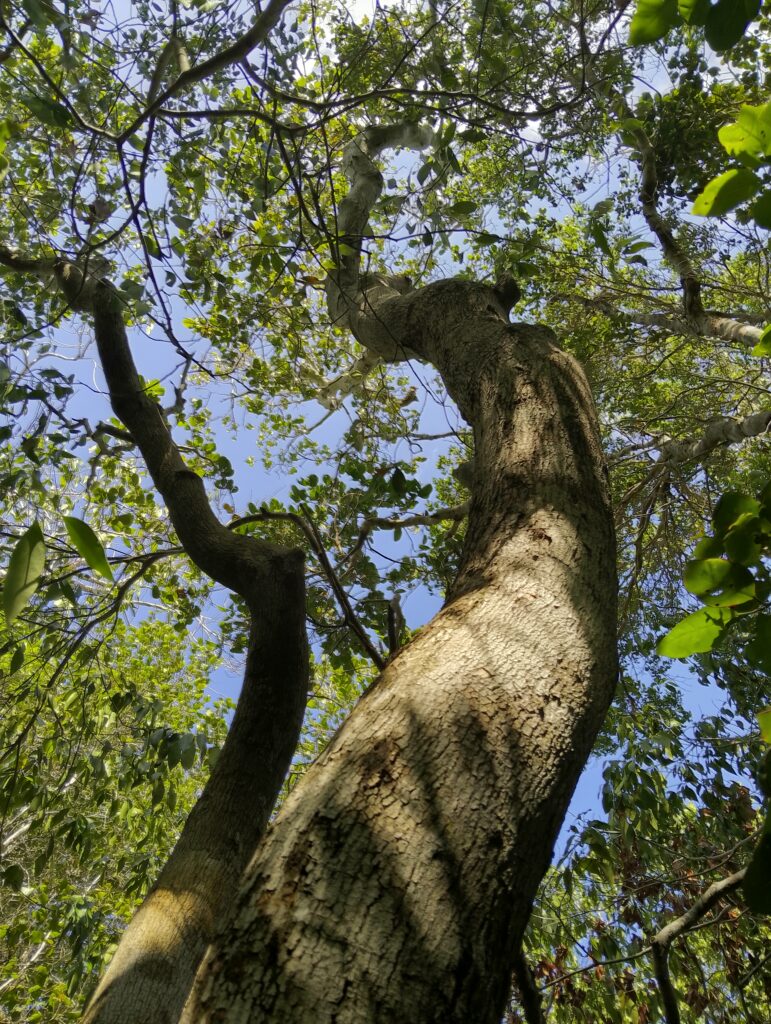
Despite these growing conditions, the native Bahamian coppice (or ‘the bush’) is a resilient and diverse plant and animal community that contains patches of hospitable soil and favorable growing areas. The coppice has historically supported small-scale slash and burn farms that grow annual crops, but many of these farms have to rotate their location when the soil is depleted after a few growing seasons.
Potential for Growth in the Bush
What if we could take advantage of the soil and shade that the coppice creates—the moisture that it retains, and the wind-break that it provides—without fully removing it?
Agroforestry is the use of trees and shrubs in crop and livestock systems, a practice that has been used around the world for generations. Is there an opportunity to take it a step further?
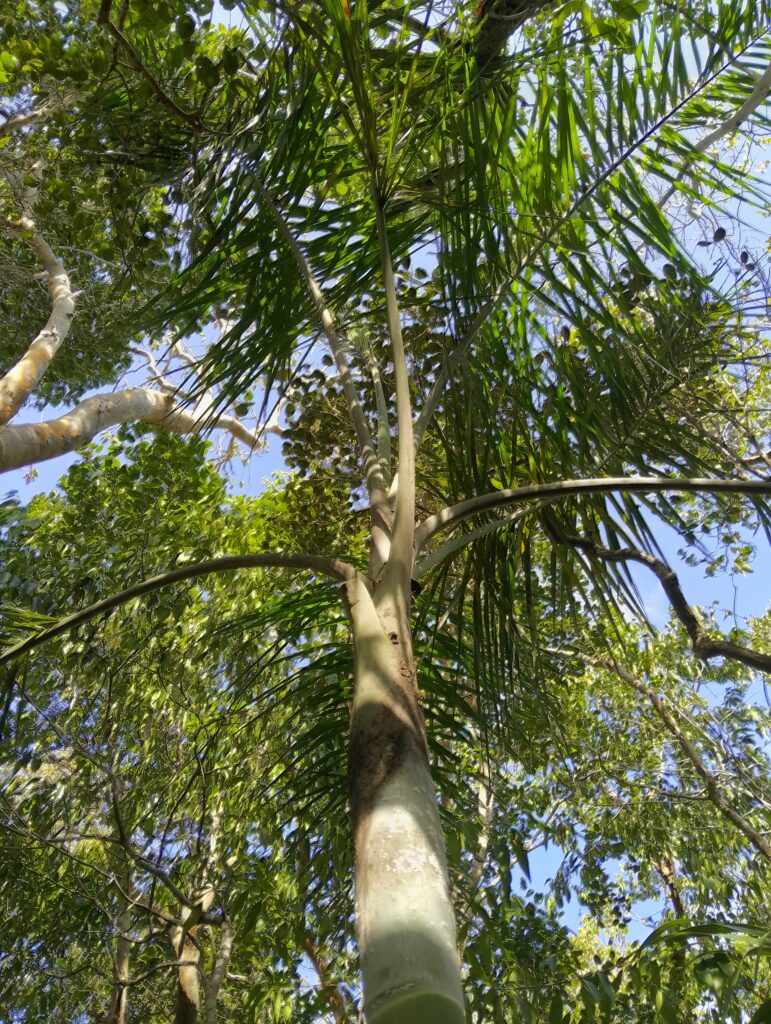
Coppice-integrated agroforestry could be the answer. This sounds like a complicated name, and it is, but here’s what it really means: instead of bringing in a bulldozer or other heavy machinery to clear land for agriculture, we should try a lighter touch. By hand-clearing a row through the bush that is wide enough to plant some fruit trees, but leaves the bush intact on all sides of the row, in addition to leaving a few existing trees in the row to act as support and shade as the fruit trees grow, we might be able to keep the benefits of the coppice (moisture, top soil, natural fertility, biodiversity) and produce food.
And focusing on trees that grow staple crops—things you can make a meal out of—will help the cause. Mangos are nice, and we should be growing mangos too, but things like breadfruit and avocados can really help us produce the calories and nutrients we need. And, by finding and growing varieties that ripen at different times of the year, we can extend the harvest season to ensure access to healthy, locally-grown food for a longer period of time.
Identifying Resilient Plant Varieties to Extend Growing Seasons
The Cape Eleuthera Institute—based at The Island School—has plans to explore this unique approach to agroforestry. And we need your help!
The Bahamas as a whole has unintentionally been conducting a wide-scale plant breeding project. Each time someone plants a mango seed, or an avocado pit, or anything else, a brand new ‘variety’ of that plant is being tested out in our climate. We are seeking out information on the best tree crops in the country! Do you have a late-season avocado? Or citrus that is disease-resistant? Or a mango that fruits in the winter? We would like to know!
As we expand our agricultural work, we are interested in connecting with others who share a passion for food production and can help us build an inventory of the best and most promising Bahamian tree crops.
Together, we can and will grow a more abundant, healthy, and delicious future for The Bahamas.