Alumni Spotlight: Claudia Campi ST19
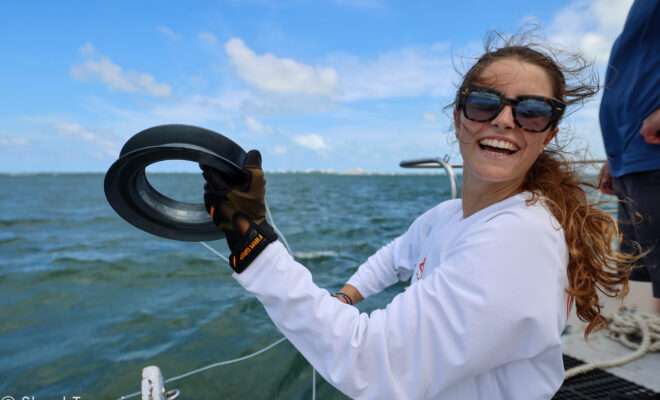
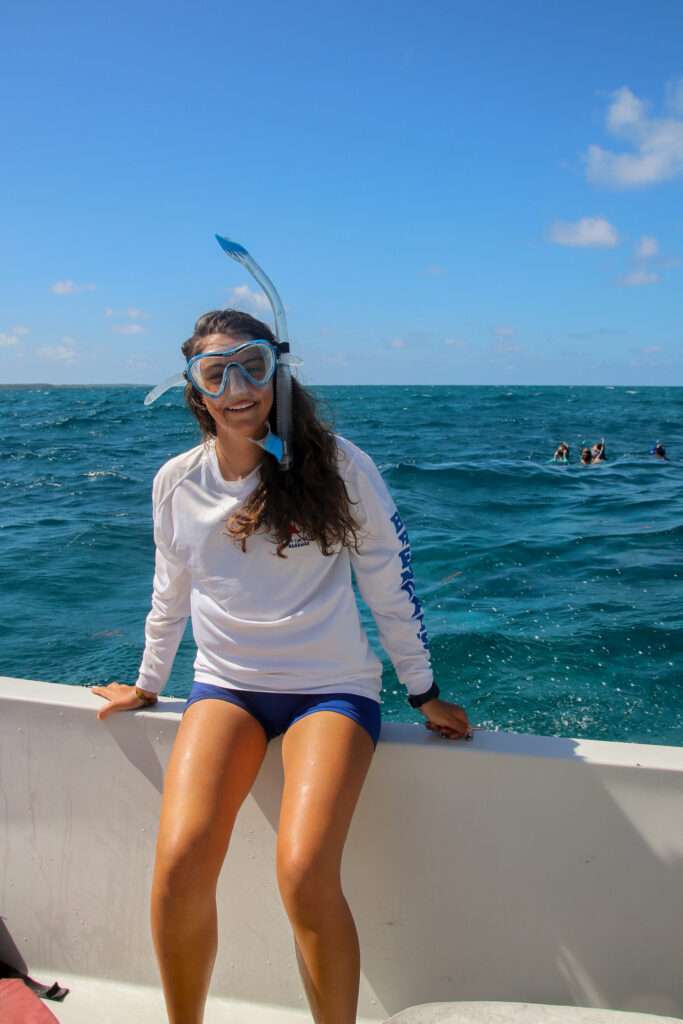
The ocean has shaped nearly every aspect of my life, from the way I understand the natural world to the academic and professional path I have chosen. My grandparents were living in Abaco, The Bahamas, when I was born, and some of my earliest memories are tied to Bahamian waters. It’s the place I learned to swim, put on a mask and snorkel for the first time, and where I would hold my dad’s hand while snorkeling as he gave mine two quick squeezes when he spotted something he wanted me to see. It was our quiet way of communicating beneath the surface. Abaco is where my family reunited each summer. I didn’t yet have the vocabulary for marine ecology, coral bleaching, or overfishing, only a growing sense that these waters mattered deeply to me.
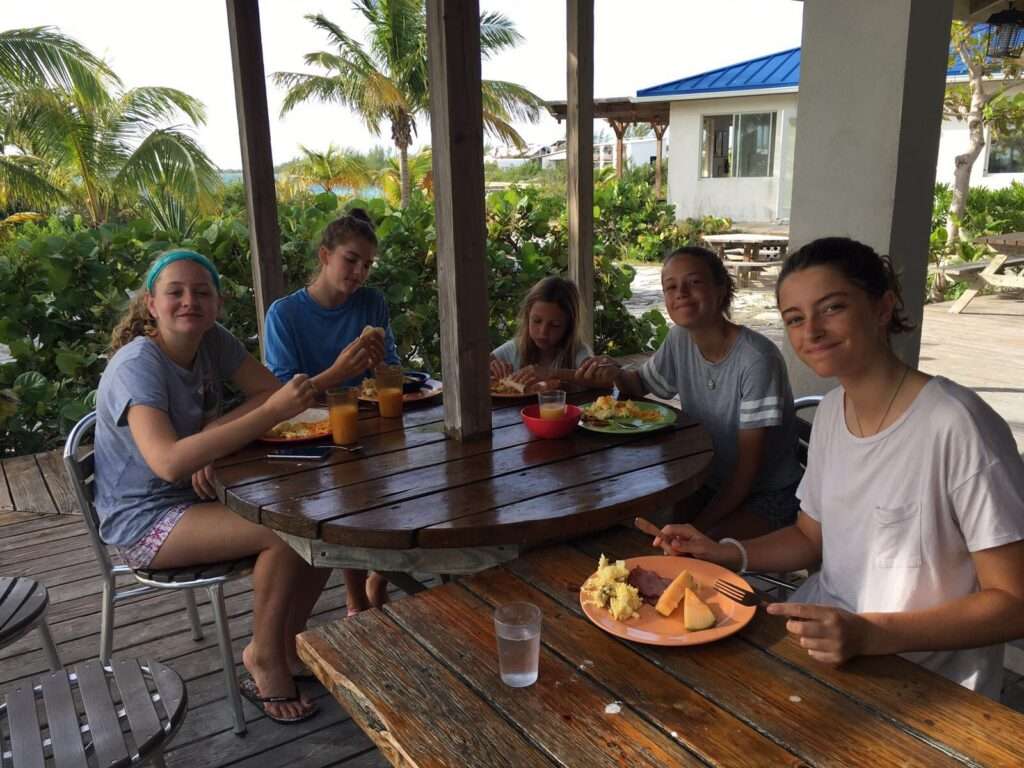
Years later, that early connection led me to Eleuthera. In 2017, I arrived at The Island School for a week-long Explorers Camp. I came across the word “sustainability” for the first time and learned its meaning as something tangible. It was visible in the solar panels above the dorms, the rainwater collected and filtered for daily use, the wind turbine generating energy from steady island winds, the way meals were prepared, and the methods through which waste was managed. These systems were embedded in everyday life. I began to understand how intentional design could support an entire community.
Continued Learning Journey at The Island School
Two years later, in 2019, I returned to The Island School as a Summer Term student. That month became one of the most formative periods of my life. In my Tourism and Development class, we examined the very islands that had shaped my childhood. Having grown up visiting Abaco and considering it as home, I began to recognize my place within the same tourism systems we were analyzing. In Sustainable Systems, I would leave class with a clearer sense of how solutions could be designed and implemented, feeling full of ideas I wanted to explore further. We weren’t just discussing environmental problems; we were solving them. Then, in Marine Ecology, something clicked. I realized that the ocean wasn’t a world to only dive into and observe; it was the world I wanted to study and continue to protect.
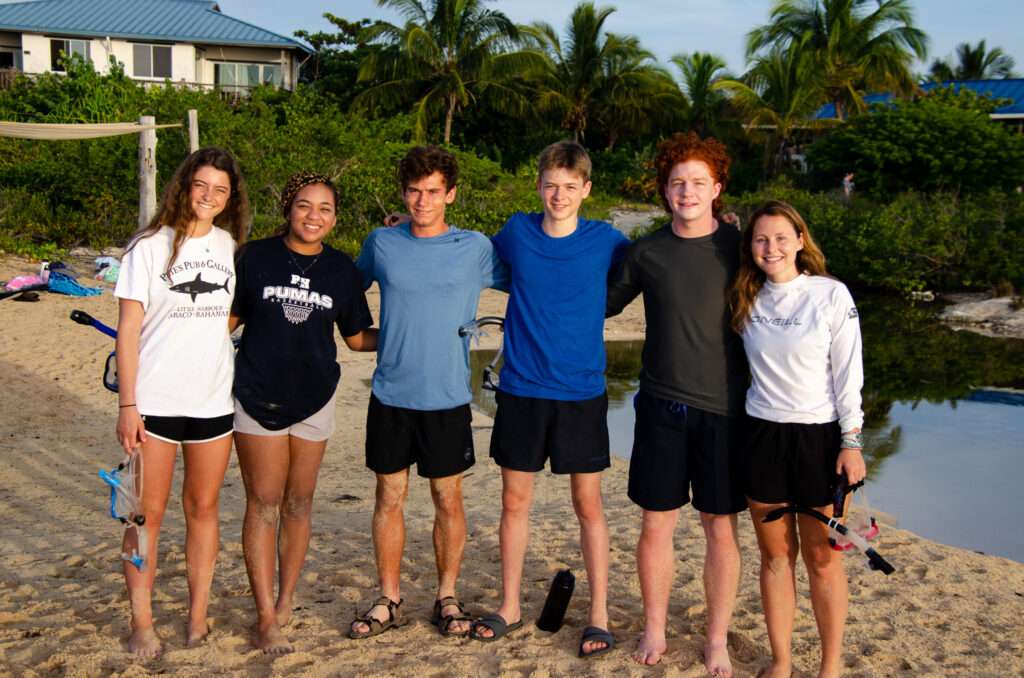
Beyond our courses, The Island School shaped me in ways that extended far beyond academics. At sixteen, being disconnected from the internet and the outside world was unfamiliar, but daily life on campus kept us present, whether it was gathering around the flagpole at 6:30 a.m. for a run-swim, setting up scuba gear in the boathouse, or learning about bush tea from Joseph. I quickly learned how to “be where my feet are.” I deepened my sense of place and my understanding of how human systems intersect with natural ones, lessons that have stayed with me long after leaving Eleuthera.
Climate Disaster Inspires Action
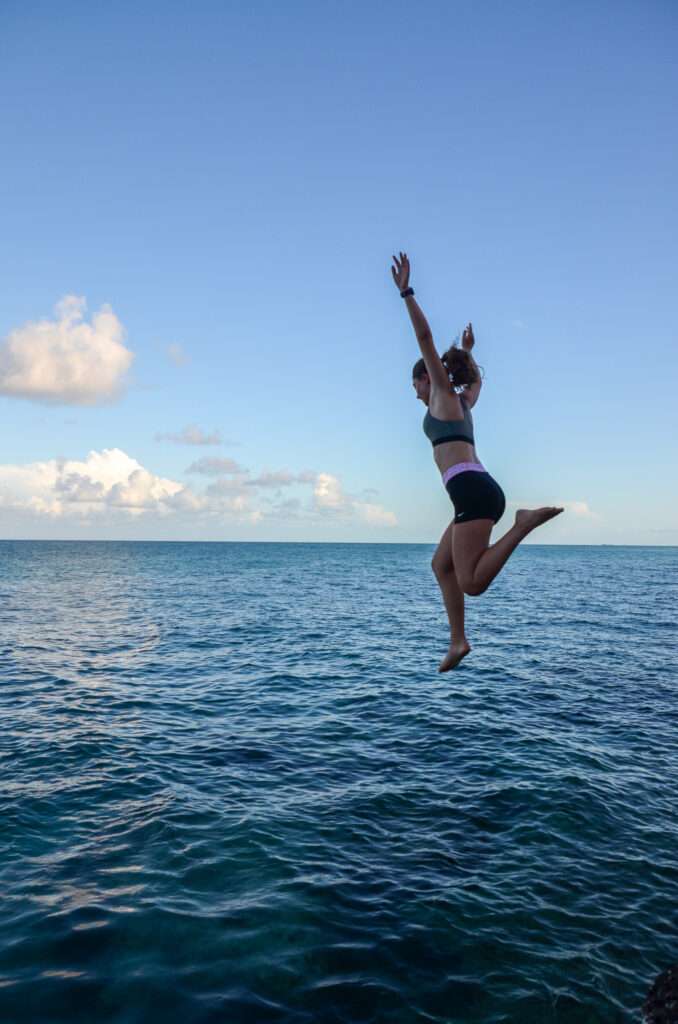
Later that summer, shortly after my term ended, Hurricane Dorian devastated Abaco and Grand Bahama. Watching the place that shaped so many of my earliest memories be destroyed in a matter of days made the lessons from class deeply personal. What I had just studied in Eleuthera about sustainability, resilience, and environmental systems was no longer theoretical; it had become a practical application. Seeing those systems under stress clarified my next step. I wanted to understand how they function, how they respond to environmental change, and how science can inform more resilient outcomes.
Those experiences ultimately led me to pursue a Bachelor of Science in Marine Biology and Ecology at the University of Miami, diving deeper into coral physiology, tropical marine ecology, and field research. Through the Saltwater Semester, an intensive, field and lab-based research program, I engaged in hands-on research in coral and invertebrate ecology, designing projects, collecting data, and interpreting results. At the same time, volunteering in Dr. Andrew Baker’s Coral Reef Futures Lab and assisting with coral husbandry at the outdoor hatchery showed me firsthand how fragile coral systems can be. It also taught me that conservation depends on steady, intentional effort driven by a dedicated team.
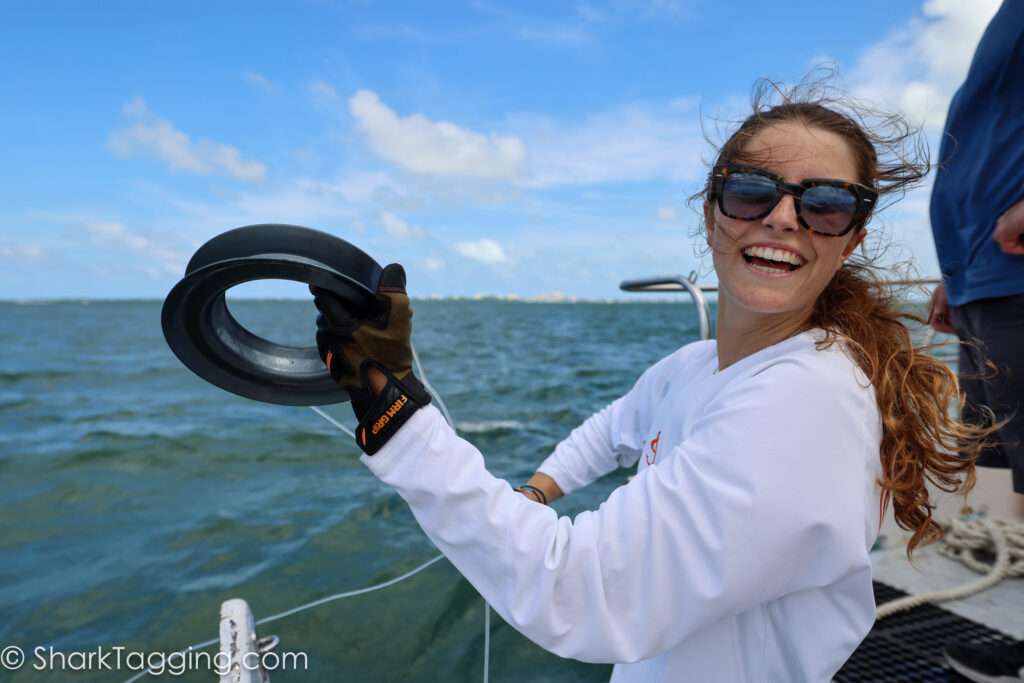
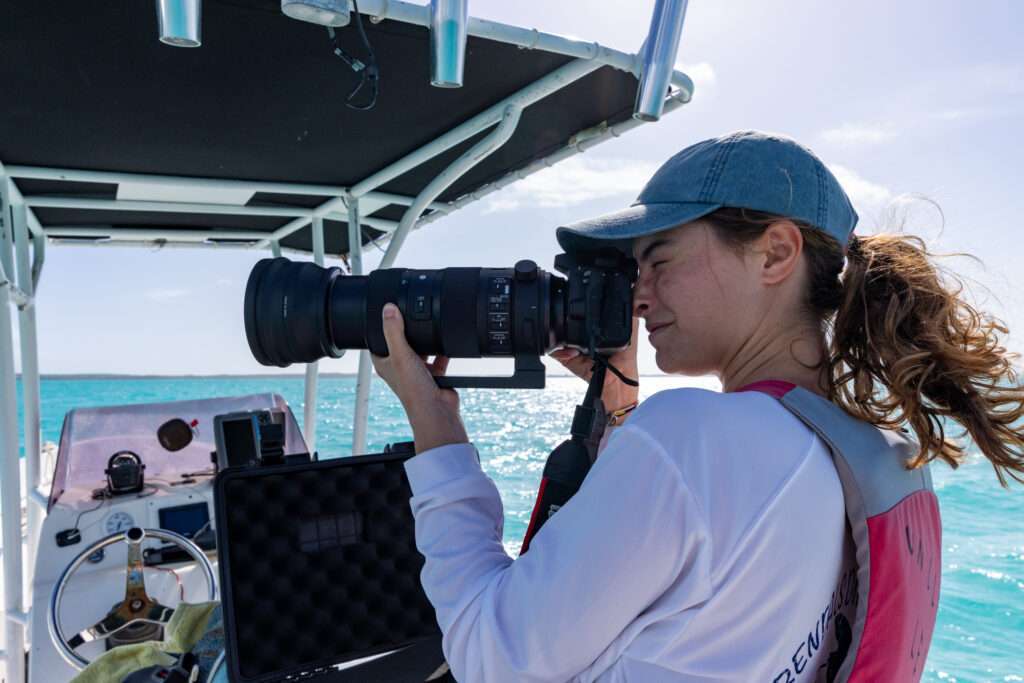
As a Creative Intern and Canon Fellow in Dr. Catherine Macdonald’s Shark Research and Conservation (SRC) Lab, I began merging science with storytelling. Being out on the water during shark tagging expeditions, I worked alongside researchers documenting data collection processes and learned what it means to work in a collaborative environment. Behind the lens, I discovered the power of visual storytelling. Photographing fieldwork and documenting outreach efforts opened the door to science communication for me. I came to see that collecting data alone isn’t enough; it needs to be communicated, translated, and made accessible to broader audiences to make an impact. Being part of SRC became one of my most meaningful experiences during my time at UM.
Full-Circle Moment: Returning to The Island School
After graduating in May of 2025, I continued working with the Shark Research and Conservation Lab and volunteering at the coral hatchery while searching for what was next. Then, in our SRC Lab chat, a fellow lab member and Island School alum shared a posting for an internship at the Cape Eleuthera Institute (CEI). The idea of returning to the place that first shaped my path in marine science, this time as a professional, felt immediately exciting and full-circle.
I applied for both the research and communications positions, unsure which version of myself fit best, the field scientist or the storyteller. During my interview with Kennedy Wall, CEI’s Research Partnerships Coordinator and a University of Miami alumna, she suggested combining both roles into a Science Communications Internship.
In January, I landed at Rock Sound Airport, the same airport I had arrived at seven years earlier for Summer Term 2019. I climbed into a familiar Island School van and returned to the campus that had shaped me as an individual, community member, and scientist. I found myself standing barefoot in the sand around the flagpole, in the same place I once stood as a student. At dinner, I picked up a plate identical to the ones I used in 2017 and 2019. The pig bucket was still tucked in its familiar spot. Music blasting from the dish pit, as dish crew still turned scrubbing plates into a team effort.
Capturing a Special Collaboration
Last month, in my true full circle moment, I joined Dr. Shane Elipot and Joe Bretl from the University of Miami Rosenstiel School of Marine, Atmospheric, and Earth Science, alongside Natalie Hodges and CEI intern Eloise Piper, to deploy a hurricane glider in the Northeast Providence Channel between Eleuthera and Great Abaco. The glider would collect oceanographic data contributing to long-term monitoring of the Atlantic Meridional Overturning Circulation (AMOC), the same current system I had once studied in classrooms.
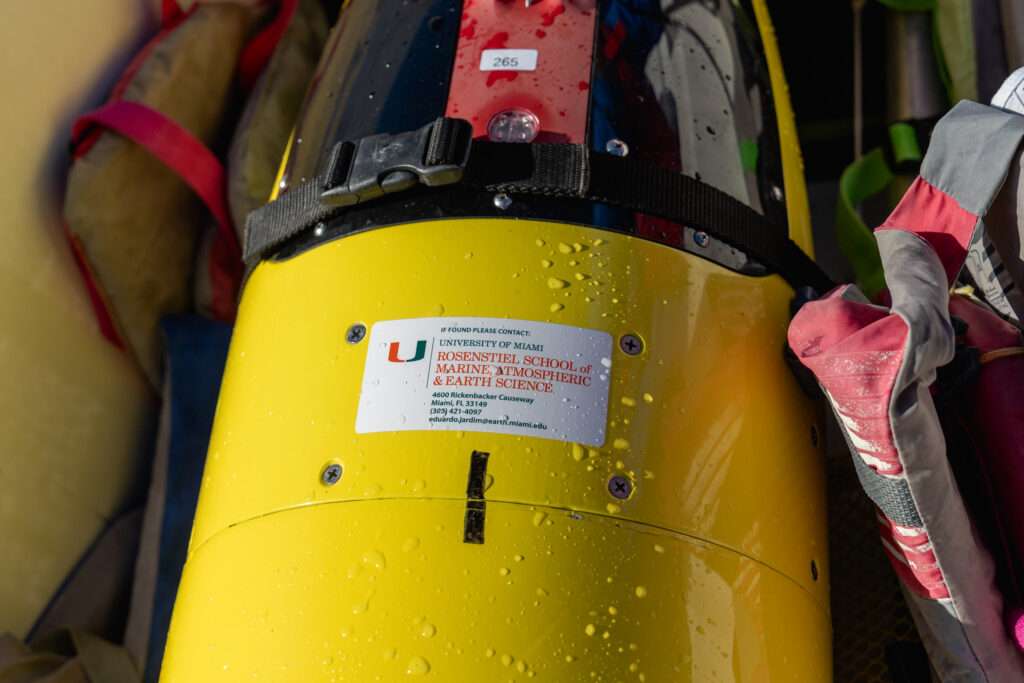
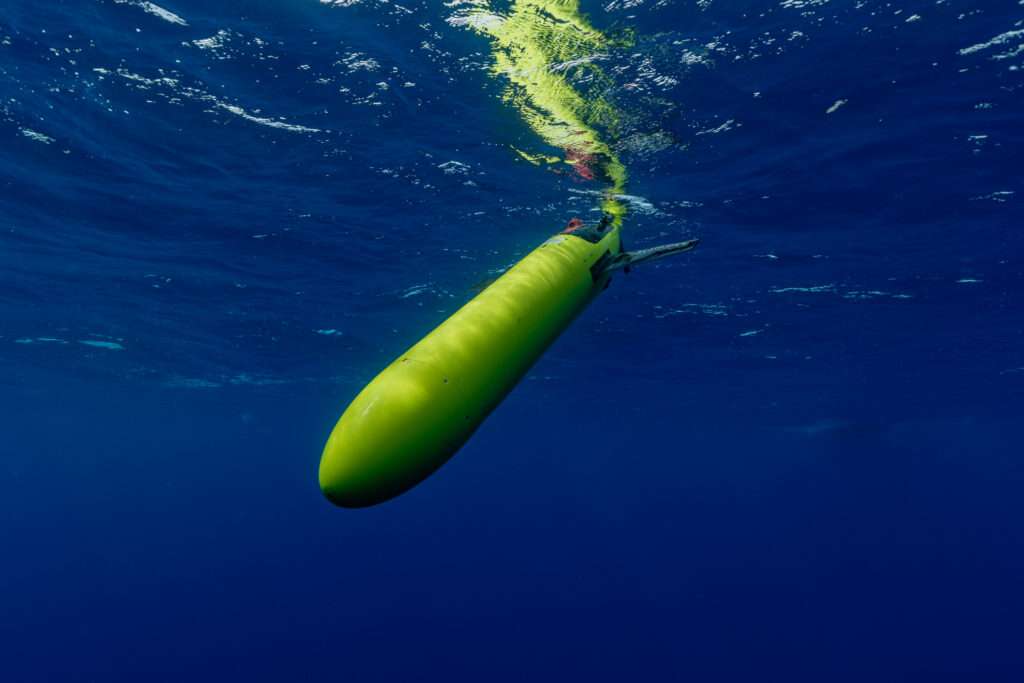
As we prepared the instrument and watched it slip beneath the surface for its first test dive, I jumped into 4500 feet of deep blue water with my camera. In the Bahamian ocean, where I first learned to snorkel, I found myself documenting collaborative research between the University of Miami and the Cape Eleuthera Institute. Not only was I working as an intern for the institution that had first sparked my interest in marine science, but I was also actively contributing to research alongside the university where my curiosity had evolved into focused study.
In that moment, everything aligned. I felt the continuity of it all, like a current looping, reconnecting, carrying me back to the place where it all began, but with new tools, new knowledge, and a deeper sense of purpose.
And if the ocean has taught me anything, it’s that currents don’t move in straight lines. They circulate. They connect distant places. They return.
So in many ways, it feels like I’m exactly where I should be.