Fall 2025 Student Research Project: Food Security
Each semester, Island School students dive into hands-on research alongside scientists from the Cape Eleuthera Institute, contributing to meaningful, place-based studies that explore the unique ecosystems of The Bahamas. These Fall 2025 research groups—focused on conch, corals, lobsters, sharks, blue economy, marine mammals, food security, and sustainable energy—are tackling real-world questions with curiosity, collaboration, and care.
In this blog series, students share their experiences, challenges, and discoveries as they navigate the research process and deepen their understanding of both science and self.
Food Insecurity in the Bahamas: Could Aquaculture be the Solution?
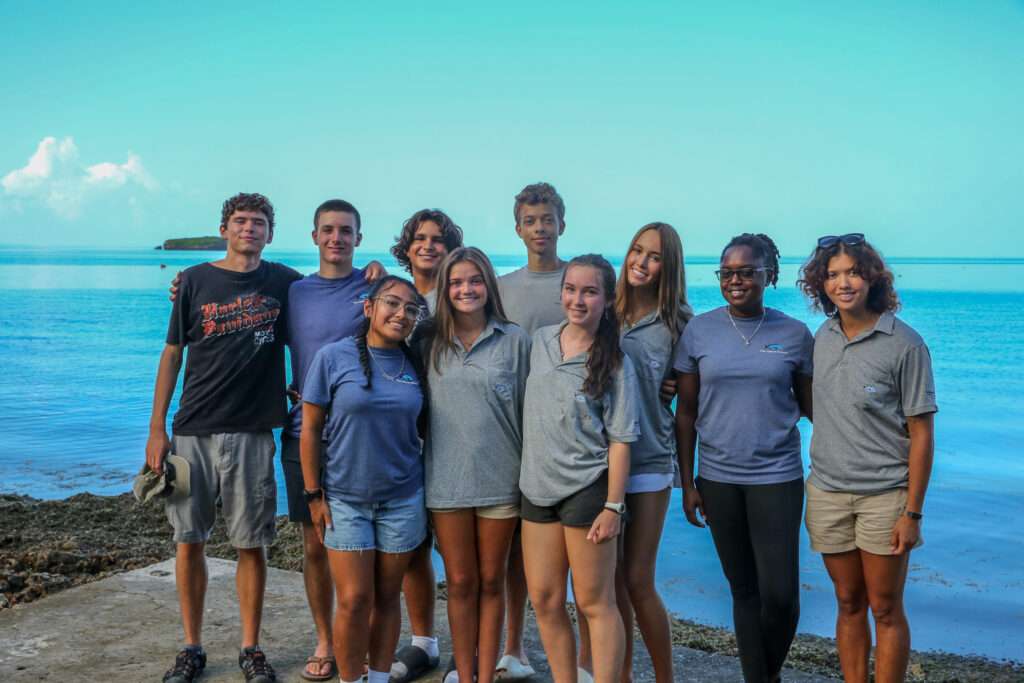
Written by Jazmin Estrada, Kai Bailey, Andrew Gawrelski, Clara Brooks- La Blanc, Nina Richards, Sebastian Schultz-Bainbridge, and Victoria Margerum
Each semester, Island School students tackle real-world challenges through hands-on research. This fall, the aquaculture research group is investigating how aquaculture, the cultivation of aquatic plants and animals, can help address food insecurity in Eleuthera. Their work explores how aquaculture can help provide fresh, local produce and fish without placing additional pressure on the natural ecosystems. The efforts of this research group contribute valuable insights into sustainable food systems and other initiatives to promote food security.
So, what is food security? Moreover, why does it affect millions in the Caribbean and the Bahamas? Food security means that people have reliable access to affordable and nutritious food. Over 90% of food in the Bahamas is imported, creating a fragile and expensive food system. As so much of the food is imported and fresh produce is limited, the diet of residents consists primarily of ultra-processed foods. This dietary shift contributes to the rising rates of obesity and other non-communicable diseases, compounded by limited access to healthcare on the islands.
The reliance on imports for food makes the Bahamas vulnerable to shipping disruptions such as hurricanes or supply chain issues, which can lead to sudden food shortages. The COVID-19 pandemic highlighted the need to build a more resilient, localized food system in the Bahamas (Blazy et al., 2021). To combat this pertinent issue, there have been attempts in the past with agricultural practices such as farming.
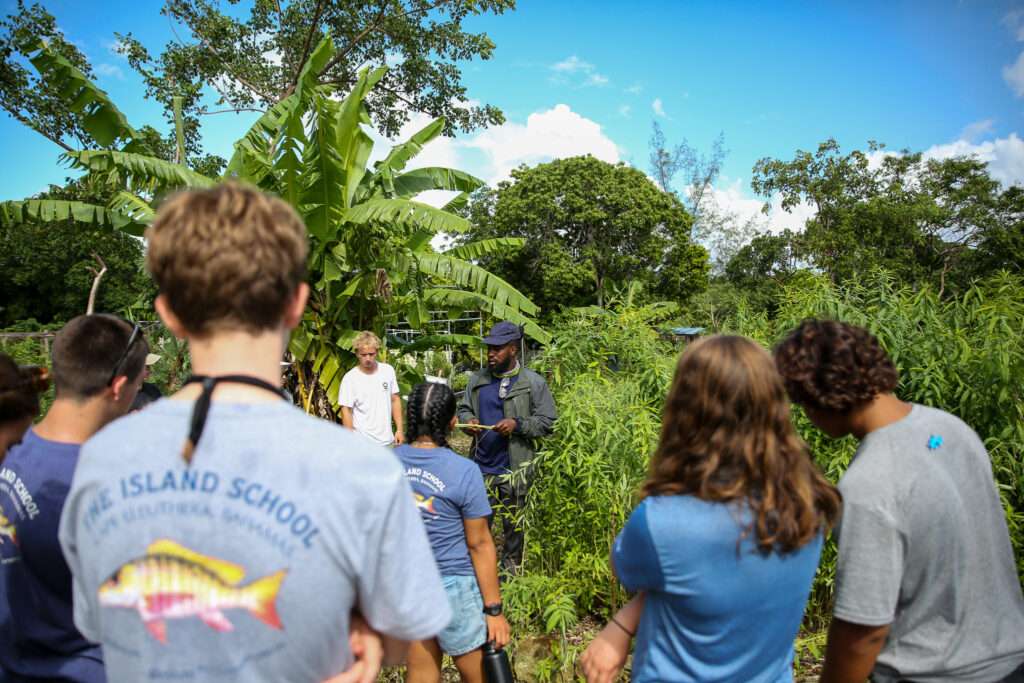
Historically, agriculture was a major contributor to the local Bahamian economy, however, this changed because of an increase in tourism which saw a decline in food production and an increased reliance on imports (Eneas,2024). Along with this, imports result in high amounts of carbon being released, contributing to the global climate crisis.
Aquaculture, including aquaponics (combination of fish and crop farming in a closed-loop recirculating system) offer a potential solution. The integration of crop production with fish farming can provide more locally grown produce, have reduced environmental impacts and take the Bahamas one step closer to being more food secure.
In this blog series, students will share snapshots of their Island School journey of sustainability within the community. The aquaculture researchers teamed up with seven semester students to explore the potential of aquaculture to help address the ongoing issue of food insecurity in The Bahamas, by reducing the dependence on imports for fresh vegetables in south Eleuthera and reducing reliance on threatened wild fish stocks.
With an understanding that aquaculture ventures could be beneficial to the Bahamian food system, they are working to solve a more specific problem that plagues not only The Island School, but aquaculture practitioners throughout the region: access to reliable aqua feeds. Aquaculture in the Caribbean region relies heavily on imported feeds to grow various species of finfish and shellfish. Many of these commercially available feeds utilize smaller fish as a protein source, which creates compounded ecological issues globally (Allsopp et al., 2013). The research team is attempting to develop a more sustainable homemade feed for fish, using locally sourced ingredients, such as fish harvest byproducts and native plants.
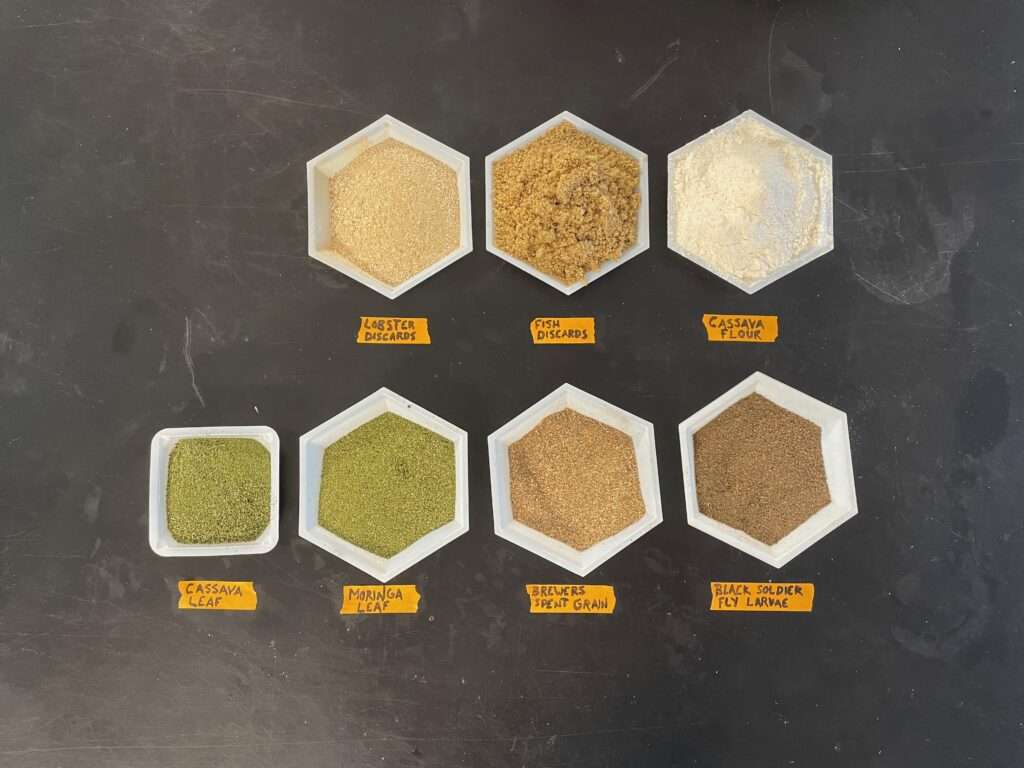
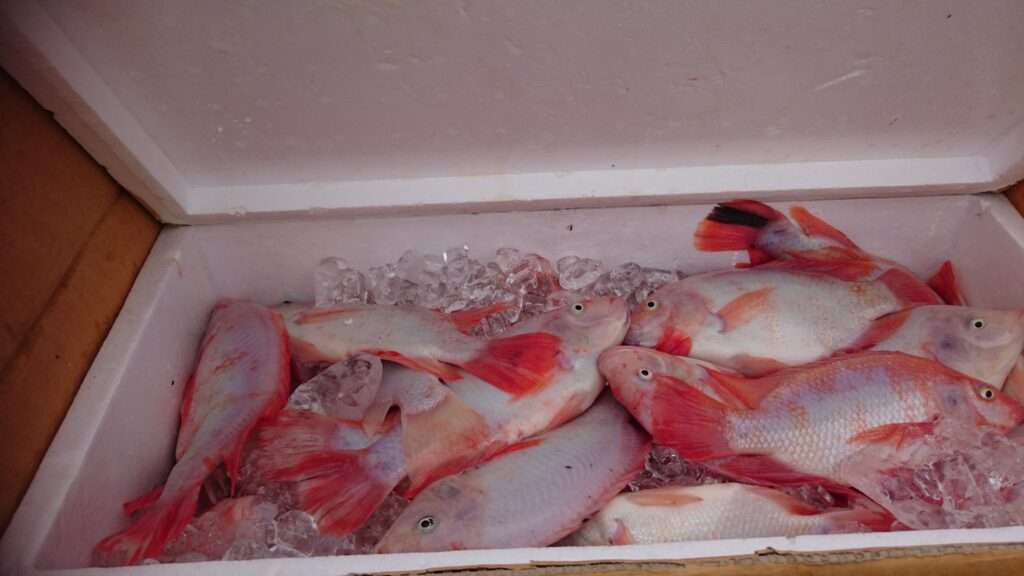
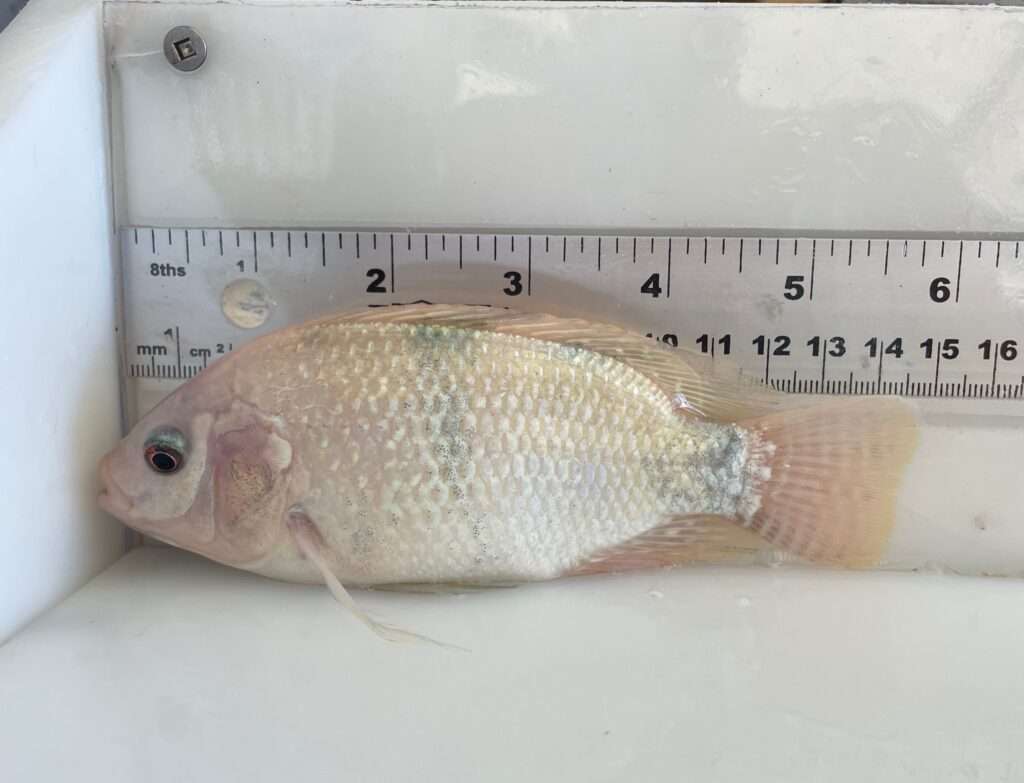
All the proposed alternatives have high amounts of protein and other essential nutrients. Feed trials will be used to compare the growth of Nile tilapia (Oreochromis niloticus), a commonly grown freshwater aquaculture species, on the homemade diets versus commercial diets to determine if the homemade feed is a suitable substitute.
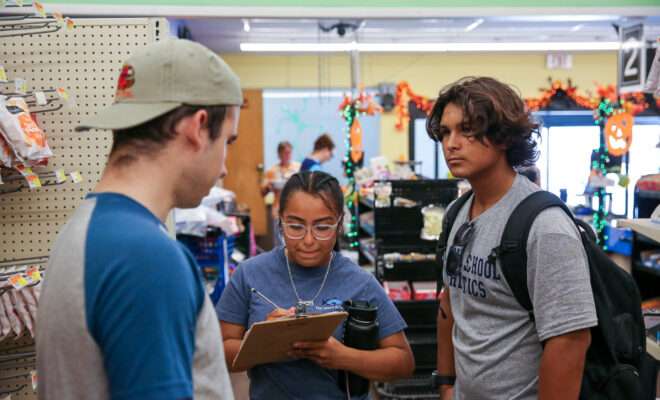
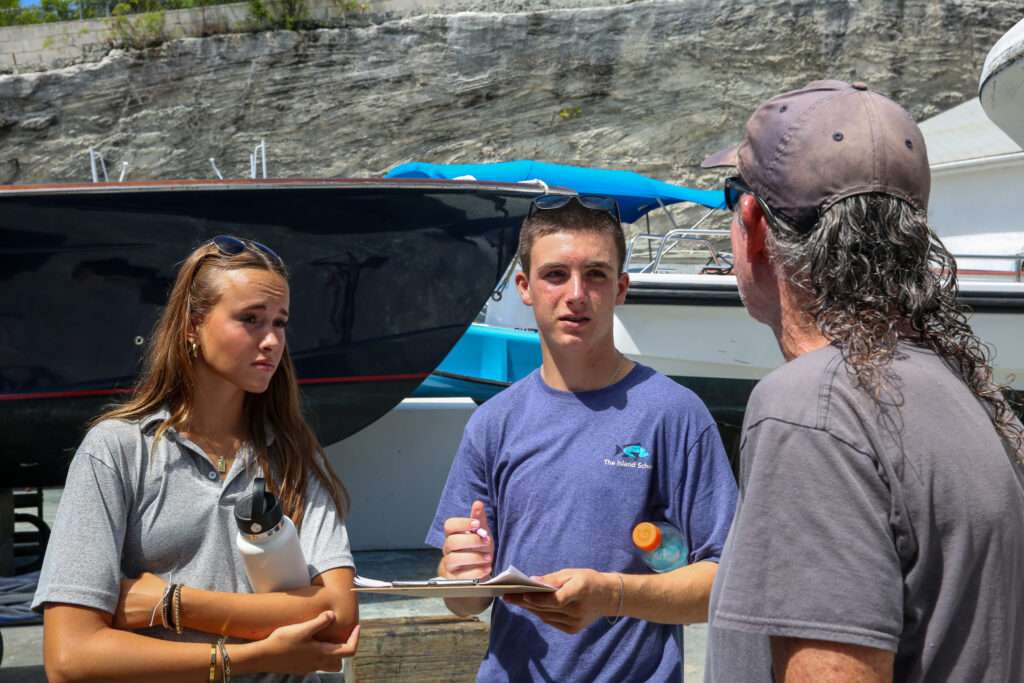
In addition to studying means of optimizing aquaculture production in Eleuthera, they are looking through a larger lens to find out if aquaculture can be a feasible and acceptable solution to food security for people living in the Bahamas. Surveys are being conducted with residents to find out if people are open to consuming aquaculture products and what factors may affect their willingness to do so.
Furthermore, the growth of aquaculture would increase the local food production within the community, thus providing a more reliable food source, create job opportunities and support overall resilience against global supply chain disruptions. However, that growth should be guided by the overall acceptance of aquaculture into Bahamian food systems.
References
- Allsopp, M., Santillo, D. & Dorey, C. (2013). Sustainability in Aquaculture: Present Problems and Sustainable Solutions In; A. Chircop, S. Coffen-smout & A. McConnell (Eds), Ocean Yearbook 27, Sponsored by the International Oceans Institute and the Marine Environmental Law Institute of Dalhousie University.
- Blazy, J.M., Causeret, F., Guyader, S. (2021). Immediate impacts of Covid-19 crisis on agricultural and food systems in the Caribbean. Agricultural systems.
- Eneas, J. (2024). Bahamian Agriculture: Its Socio-Economic Development. Agribusiness Consultant Former Director of Agriculture, Bahamas (1-13).