Nicole Craighead S20 Reflects On A Unique Island School Experience
Written by Nicole Craighead, a Spring 2020 Island School Semester student.
Nothing was very remarkable about March 17, 2020, at The Island School. It was sunny and beautiful, as many days are in Eleuthera.
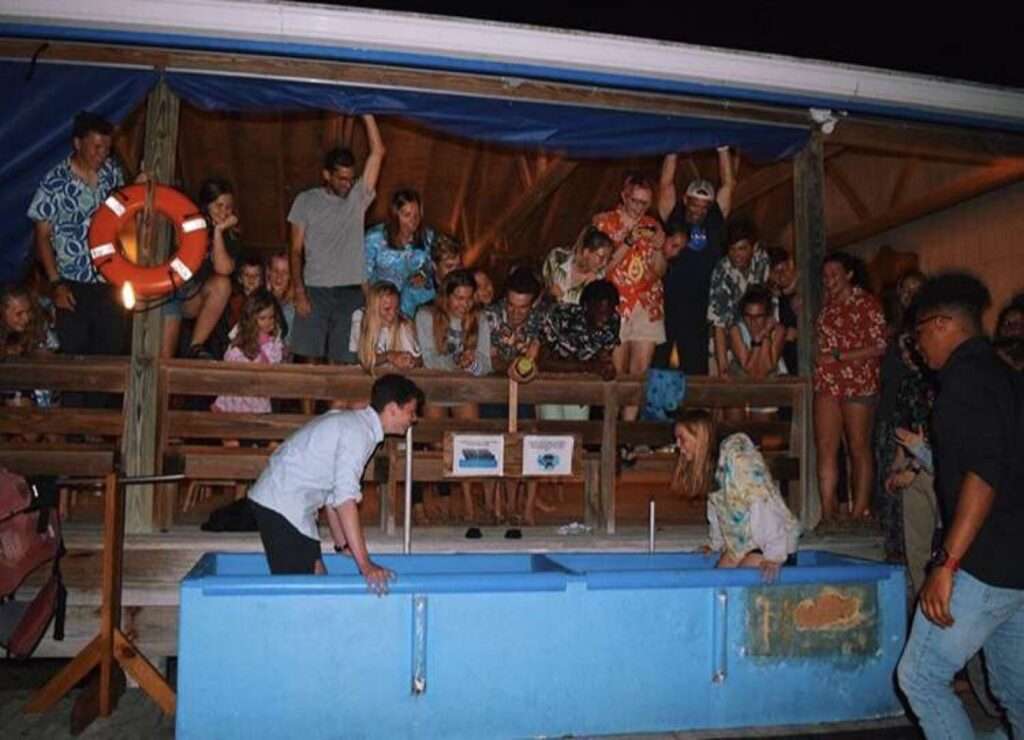
That morning, my friends in Treehouse stayed in to finish English homework while I headed out with a few others for a free dive — admittedly, the less-disciplined option. The water was a crisp Bahamian January temperature, perfectly suited for a thin wetsuit. The skies and water were clear, clear enough to even spot a three-foot lemon shark and some rays. Back on campus, we got wind of a 3 p.m. community meeting happening that afternoon—nothing that sparked much of my interest as I dried off and changed into my uniform.
An Unexpected Announcement
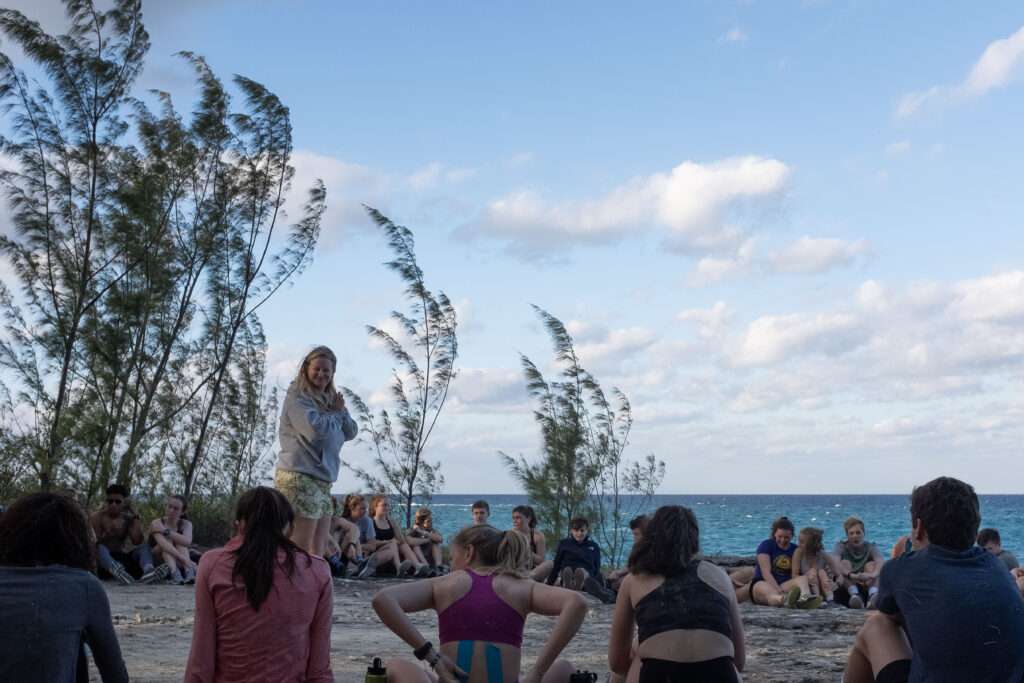
We settled into our familiar spots along the benches when Liz Slingsby, the Dean of Academics at the time, stepped forward. When I didn’t see her familiar smile as she greeted us, I sensed something was wrong. She told us about the scale of the COVID-19 pandemic now reaching North America. People in the United States were now going into quarantine. And we were being sent home at 9 o’clock the next morning. That was March 17th, 2020 — so something, in fact, had been remarkable about the day.
Just like that, I became a member of the shortest Island School Semester to date —a distinction that often draws pitiful reactions of “oh, you were that class.” Yet I’ve never felt that sense of loss. Despite having only twenty days on campus, I’ve never doubted my place in the Island School community.
Giving Back To The Island School
In the years since, the Island School network has shaped my academic and professional trajectory. Chris Maxey, The Island School’s Founder, and Liz Slingsby were featured in my high school senior project on cultural conceptions of water. A few months later, I landed my first internship through the alumni network with the Earth Law Center alongside two other alumni. When I began exploring environmental work in the private sector during my first finance internship in New York City, Maxey was my first call. Within minutes, he was connecting me to alumni working in impact investing across the country, helping me understand how capital can be deployed to protect oceans, ecosystems, and communities. Those conversations ultimately sparked my interest in foundations and endowments fields, which I hope to pursue as I begin full-time work as an investment analyst this summer.
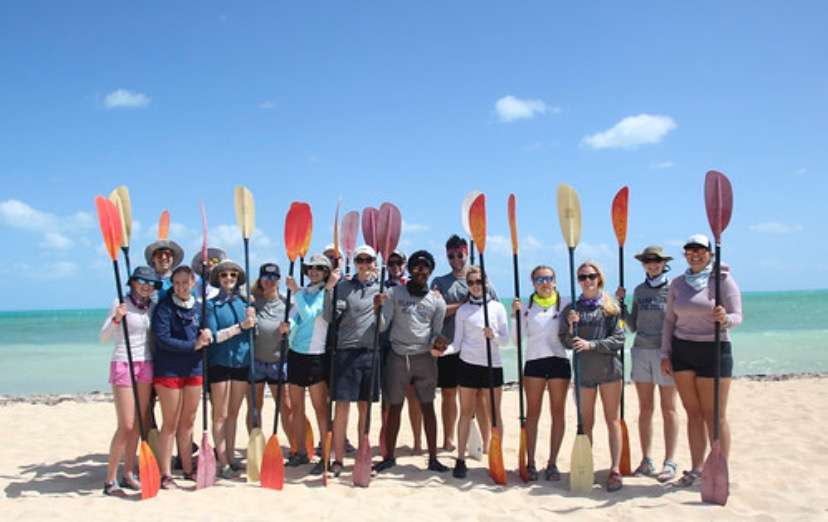
The Island School is more than a professional network to me—it’s a home. This January, I was fortunate enough to return to campus for ten days. As a young person navigating a world driven by growing energy demand and extractive industries, returning to Eleuthera reminded me of what it’s like to be in a community that’s grounded in stewardship and responsibility. The daily rituals of composting scraps, taking navy showers, and traveling by big yellow beach cruisers all immersed me in a lifestyle that felt so distant from my own back home.
Yet, dish crew and morning exercises were not what made my trip important. The students I worked with and the staff I met reminded me why The Island School is so special.
Getting Back Into The Island School Rhythm
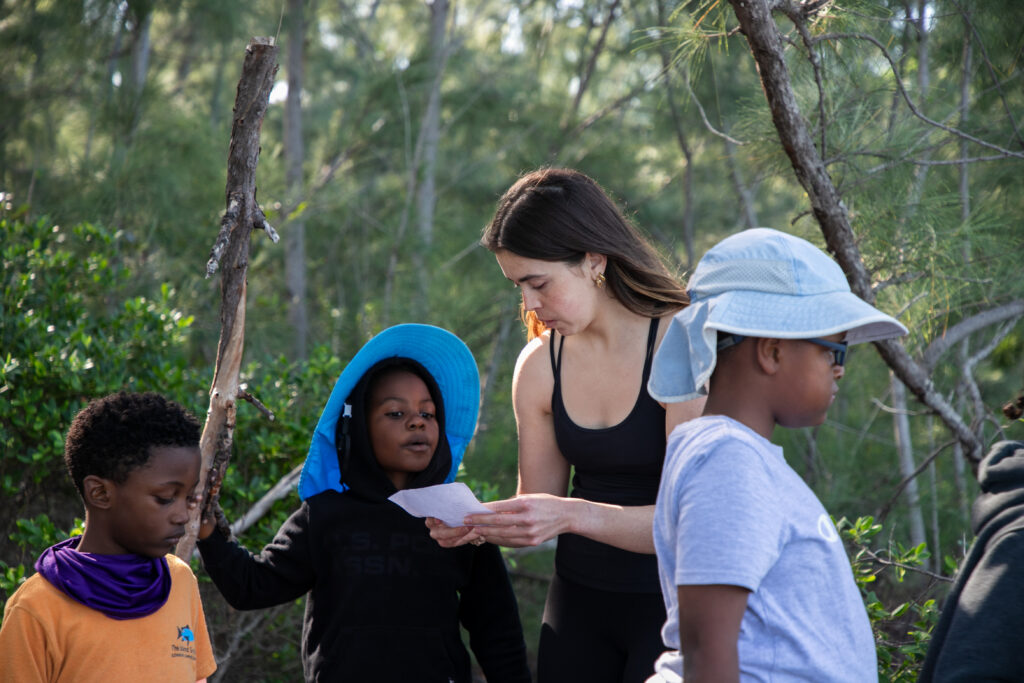
I started my mornings with the Grade 7 and 8 Deep Creek Middle School (DCMS) classes, guiding students through the intricacies of algebra, and the afternoons passing soccer balls in the sand at the Elementary Learning Center (ELC). It broadened what I defined as “impact,” reminding me that environmental sustainability is just a piece of it. The Island School strikes a delicate balance of negotiating its conservation efforts with committing to supporting its community. Working on the different campuses, I understood that impact work starts with listening to the communities we live in and putting those people first. Resilience in an ecosystem is as much a testament to the preservation of the land as it is the building of supportive communities, much of which starts in the early years of schooling. While I put math equations into the context of word problems and served as a subpar goalie in soccer games, I learned as much from the students I worked with as they had from me in witnessing the strength of the community culture on campus.
The Cape Eleuthera Foundation models this dual commitment, investing simultaneously in environmental and social impact. Seeing this integration in action cemented my belief that financial systems, when intentionally structured, serve both ecological and social outcomes rather than trade them off.
Living Out The Island School Mission
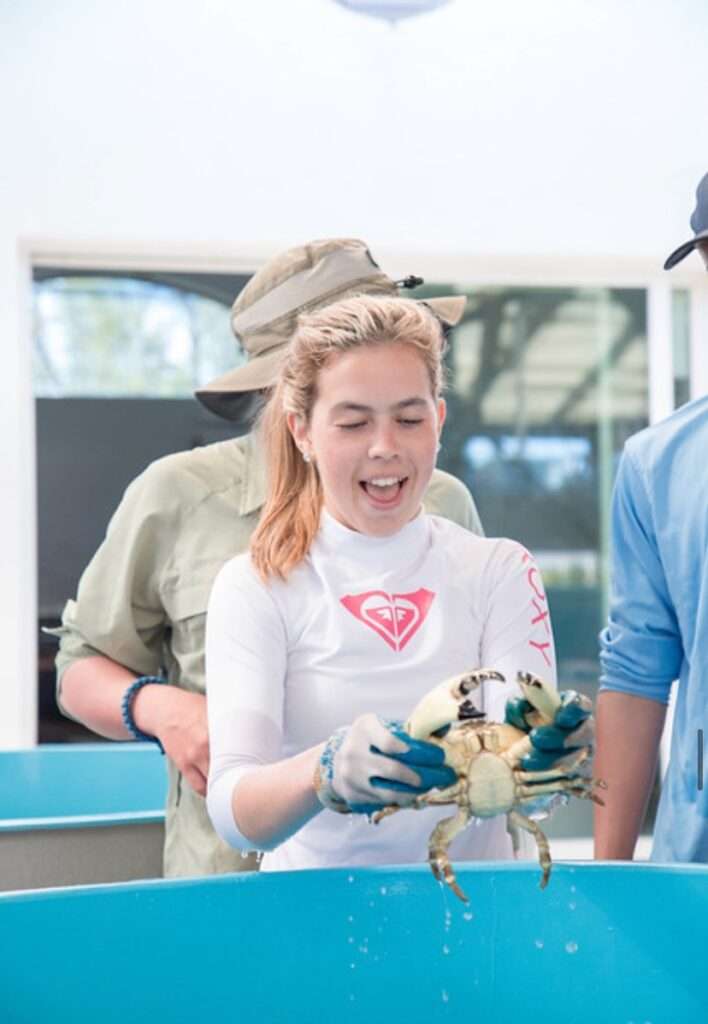
Island School students remain students long after their program ends. The ongoing relationships that exist on and off the island are a testament to how alumni are committed as much to helping keep our waters clean as they are to helping one another. I am still learning how to listen more carefully, act more responsibly, and align my professional path with tangible community impact. I have no doubt that this ongoing education, rooted in places like the ELC, will continue to shape how I use both my skills and my capital in the years ahead.