Cape Eleuthera Institute Scientists Encounter Group of Orcas in Exuma Sound
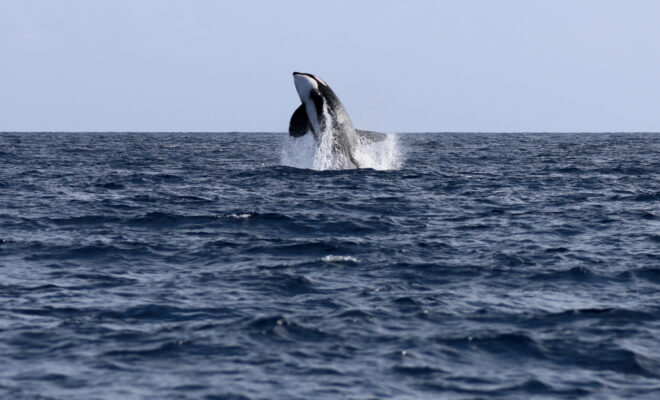
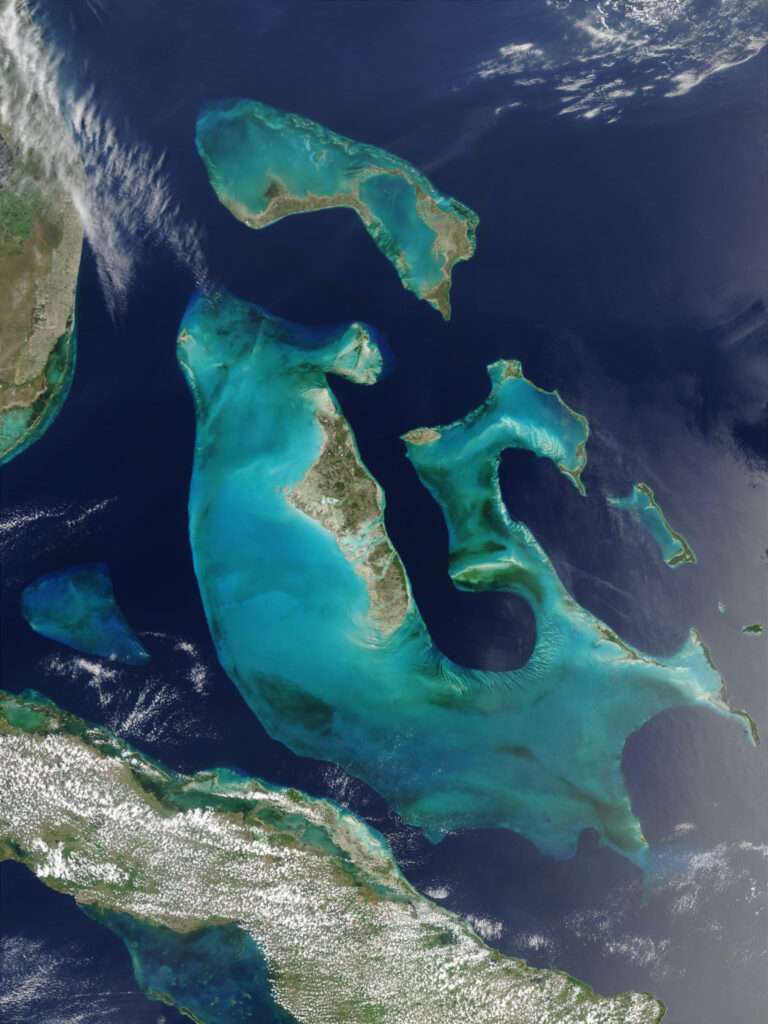
At the beginning of November, researchers at the Cape Eleuthera Institute (CEI) encountered a pod of three orcas (Orcinus orca) or “killer whales” while surveying beaked whales in the Exuma Sound, just off of South Eleuthera in The Bahamas.
Marine mammal research at CEI focuses on better understanding factors that shape the distribution of these animals.
Bahamian marine mammal researcher Natalie Hodges describes research techniques that can be used to monitor individuals over the long term and current threats that face resident populations of whales in the Exuma Sound.
Orcas: Long-Term Visitors to The Bahamas?
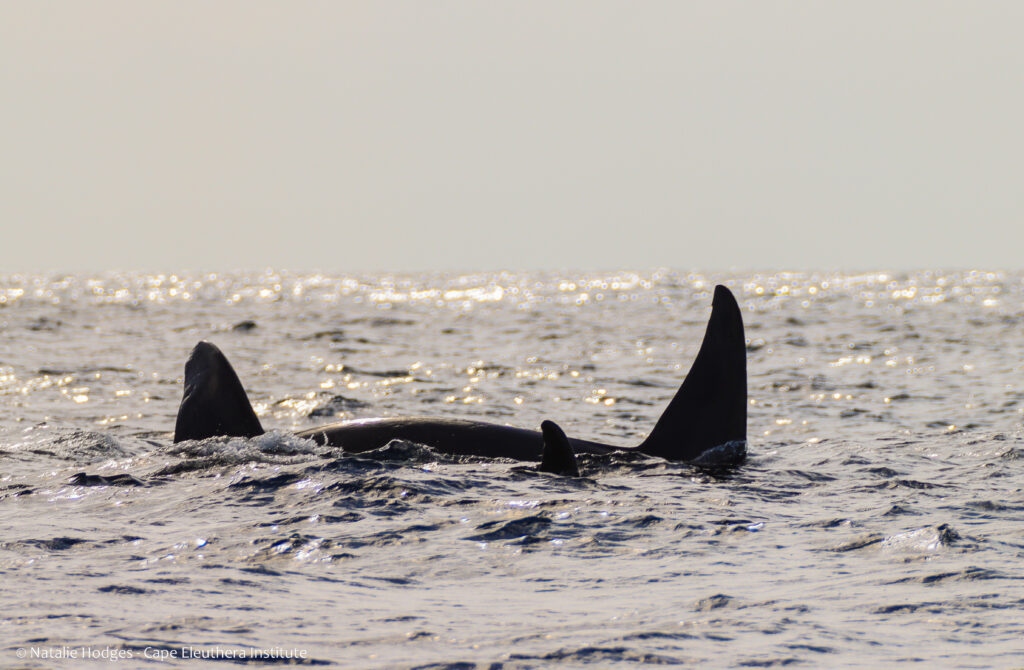
Using photo-identification, two of the three orcas in the pod were identified as individuals that have been previously documented in The Bahamas.
The Bahamas Marine Mammal Research Organisation (BMMRO), based in Abaco, has a catalogue of individuals that can be recognised by unique markings such as the shape of the eyepatch and fluke patterns, as well as nicks of missing tissue from their dorsal fins and scars.
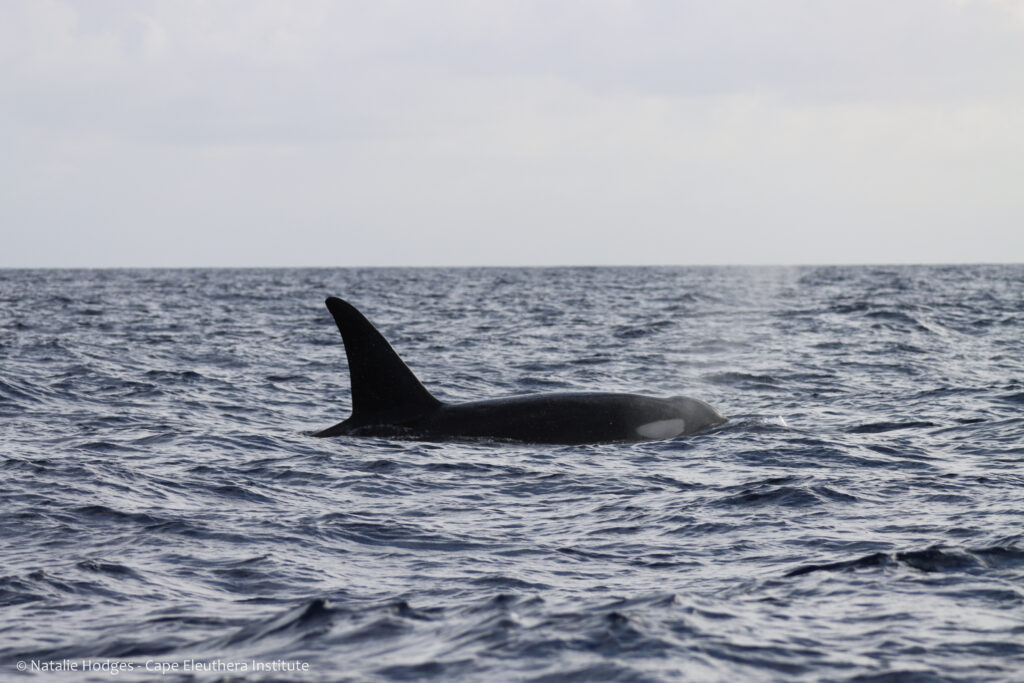
One orca, identified as #Oo4, was first documented by BMMRO scientists in The Bahamas in 1995 and has been resighted periodically over the past 30 years; most recently in 2023.
The second orca was identified as #Oo9. This recent sighting is the first encounter with #Oo9 since 2005. #Oo9 and #Oo4 were previously observed together within a group of seven orcas in 20011.
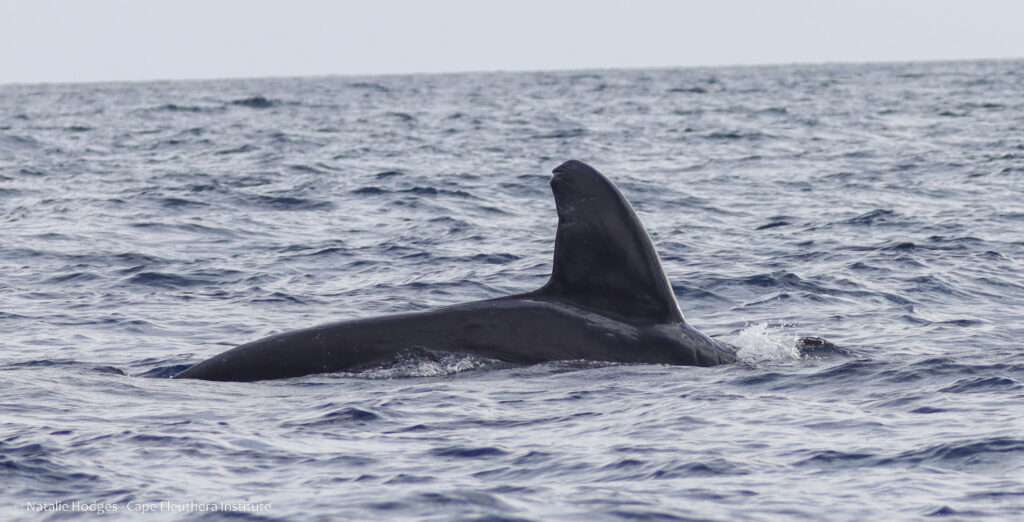
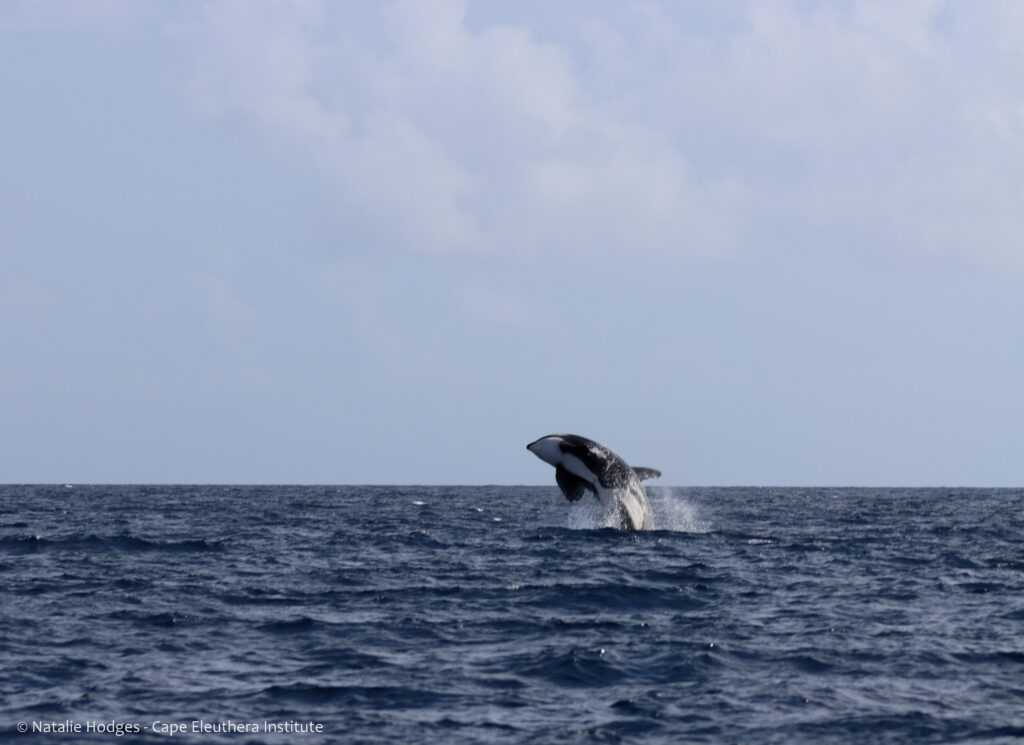
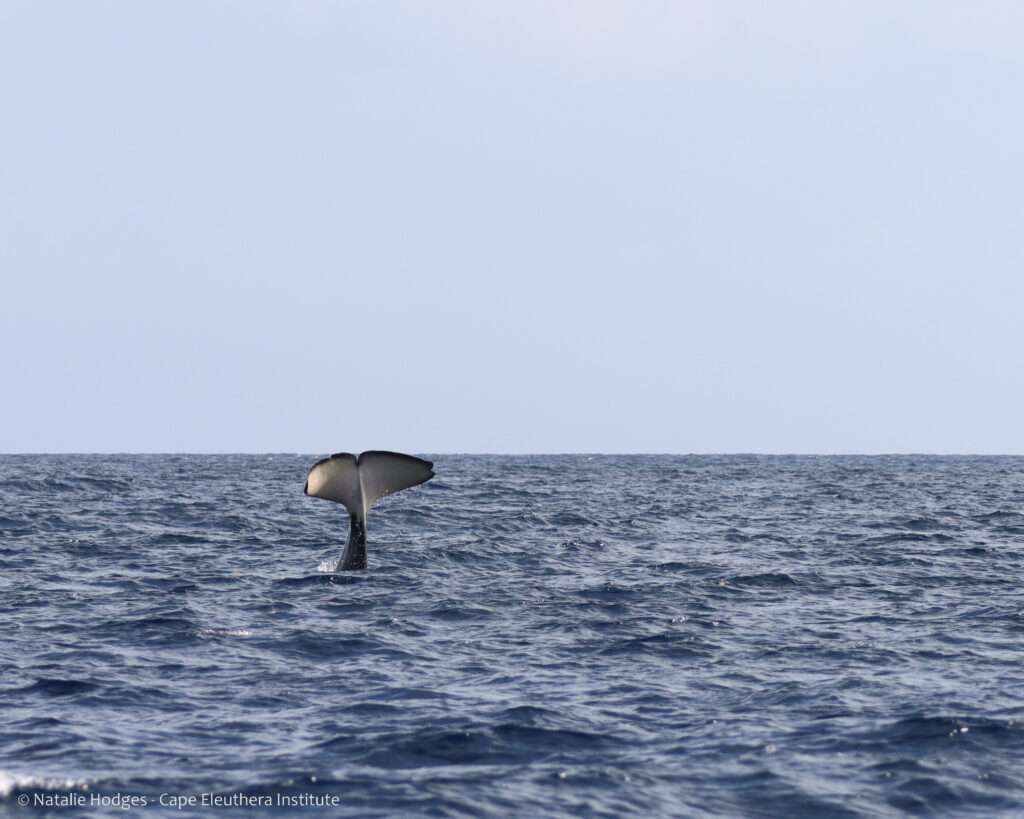
During the encounter, animal #Oo4 was observed tail slapping and breaching. These behaviours can be used as a hunting technique to stun prey or as a form of communication, expressing anger or celebrating a successful hunt.
Ghost-Gear Entanglement: a Global Threat to Marine Mammals
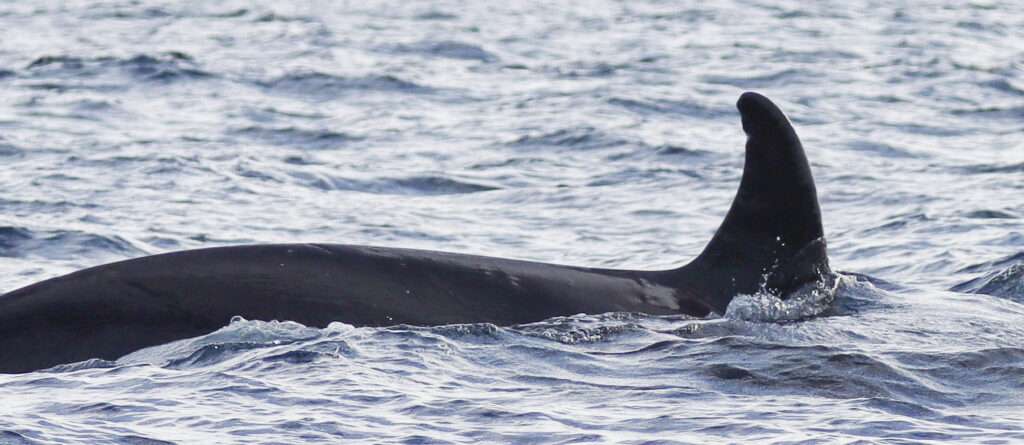
Images of #Oo4 breaching during this encounter revealed that this animal is entangled in fishing gear.
The line is visible encircling the whale’s body in front of the dorsal fin. Inspection of other photos of this animal’s dorsal region suggests that the fishing line is deeply embedded within the tissue, and this animal may have been entangled for a significant period of time.
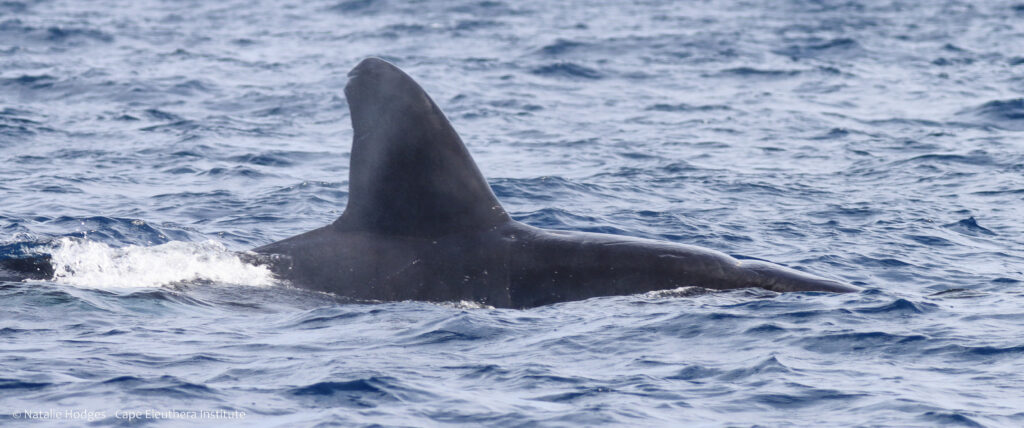
Ghost fishing gear presents a global threat to marine mammals. Entanglement in monofilament fishing line will result in a prolonged period of suffering as animals experience deep lacerations. Whales entangled in ghost gear will typically succumb to drowning as a result of fatigue from the additional weight of the fishing gear, loss of mobility from injuries to their flukes, or infection of persistent open wounds.
Marine mammal research at CEI is focused on identifying and mitigating additional threats to marine mammals in the Exuma Sound. While orcas are only observed here occasionally, the deep ocean canyons of The Bahamas provide an ideal habitat for beaked whales, which are residents year-round. In total, CEI surveys have identified 13 different species of whales and dolphins in the Exuma Sound in the last 10 years!
Elusive and Sensitive Exuma Sound Residents: Beaked Whales
Beaked whales are deep-diving specialists. They dive to depths over 1000 metres (3200 feet) to locate their prey of deep-sea squid and fish, and their dives can exceed two hours in duration, making them challenging to study.
At these depths, there is no light for vision, and beaked whales rely solely on echolocation to detect their prey. Like other toothed whales, these animals have evolved a complex of sensory organs that can produce sound waves at frequencies over 60,000 Hertz (well beyond human hearing capability) and interpret the reflections of these high-frequency ‘clicks’ to develop a detailed picture of their surroundings. This adaptation enables beaked whales to pinpoint their prey with accuracy as they forage in water temperatures close to freezing and pressures over 1500 pounds per square inch.
Beaked whales have evolved to be highly sensitive to sound, and the introduction of noise that exceeds their tolerance threshold has resulted in atypical mass stranding events in the past.
Mass Stranding Event in The Bahamas in Response to Man-Made Noise
On March 15th, 2000, a U.S. Navy sonar exercise in The Bahamas caused the stranding of fourteen beaked whales2.
Globally, it is well recognised that strandings of beaked whales are correlated with anthropogenic acoustic events3,4—noise generated by human activity which exceeds the tolerances of these sensitive deep-sea divers.
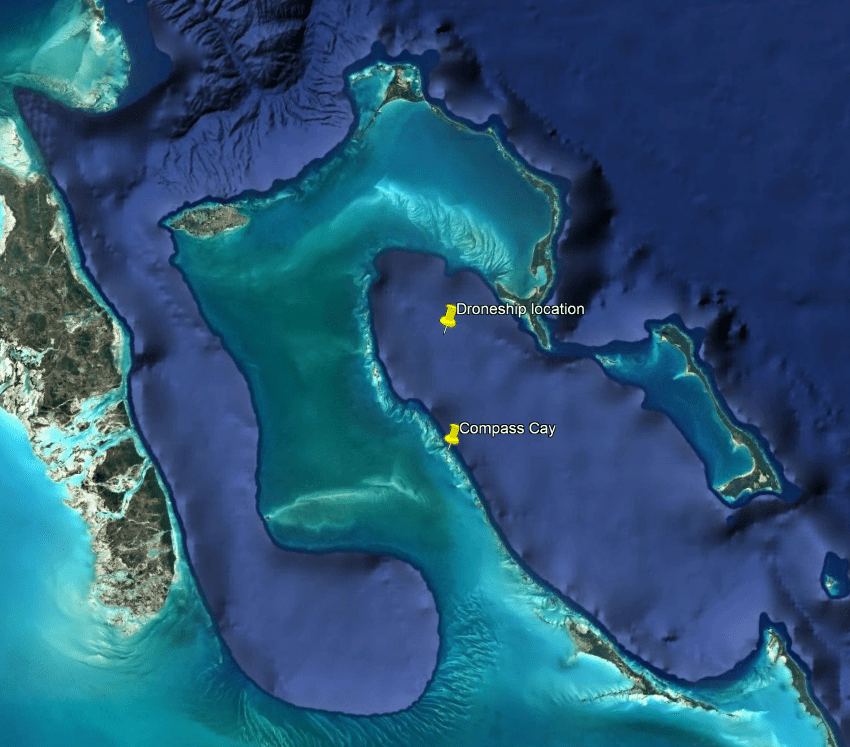
In February of 2025, the first of a planned series of SpaceX Falcon 9 booster landings took place in the Exuma Sound. Seven days later, a dead Gervais’ beaked whale was found on the beach at Compass Cay, Exuma.
Post-mortem analysis of the animal to determine the cause of death was not possible, as the carcass was towed out to sea. On average, beaked whale strandings occur in The Bahamas at a rate of 1-2 animals per year throughout the entire archipelago2. The last recorded stranding of a beaked whale in Exuma Sound was in 1968, following a Naval sonar exercise5.
Researchers Search for Answers for Marine Mammals in the Exuma Sound
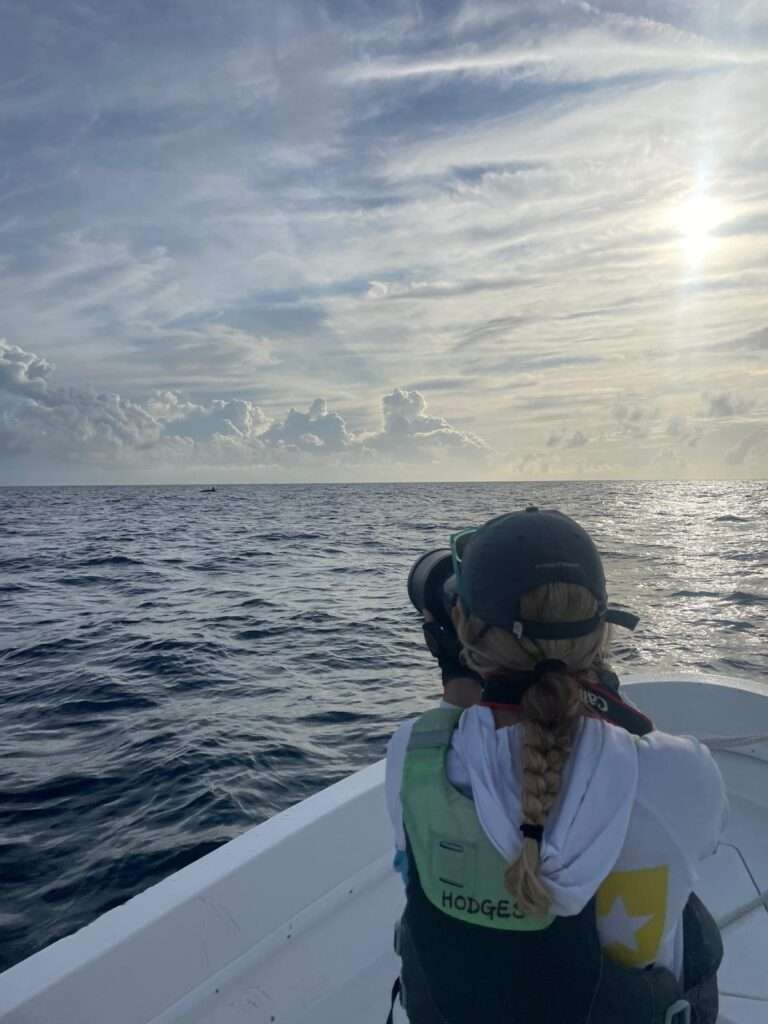
Cape Eleuthera Institute scientists are currently surveying the region to establish patterns in distribution and identify areas of the Exuma Sound that provide critical habitat for beaked whales.
Beaked whales selectively forage in regions with a high density of prey to meet their energetic requirements, and have a limited capacity to migrate in response to environmental disturbance6.
This baseline assessment is needed in order to accurately quantify species-level response to the environmental change anticipated throughout 2026, as an additional 19 Falcon 9 booster landings are scheduled to take place within the Exuma Sound in addition to an increase in cruise ship and construction barge activity in the area.
- Dunn, C., & Claridge, D. (2014). Killer whale (Orcinus orca) occurrence and predation in the Bahamas. Journal of the Marine Biological Association of the United Kingdom, 94(6), 1305-1309.
- Balcomb III, K. C., & Claridge, D. E. (2001). A mass stranding of cetaceans caused by naval sonar in the Bahamas. Bahamas journal of science, 8(2), 2-12.
- Ketten, D. R. (2014). Sonars and strandings: are beaked whales the aquatic acoustic canary. Acoustics Today, 10(3), 46-56.
- Feyrer, L. J., Stanistreet, J. E., & Moors-Murphy, H. B. (2024). Navigating the unknown: assessing anthropogenic threats to beaked whales, family Ziphiidae. Royal Society Open Science, 11(4), 240058.
- Caldwell, D., & Caldwell, M. (1974). Beaked whales, Ziphius cavirostris, in the Bahamas. Florida Acad. Sci. Q. J. 34:157-160.
- Benoit-Bird, K. J., Southall, B. L., Moline, M. A., Claridge, D. E., Dunn, C. A., Dolan, K. A., & Moretti, D. J. (2020). Critical threshold identified in the functional relationship between beaked whales and their prey. Marine Ecology Progress Series, 654, 1-16.