CEI Researcher Joins Sperm Whale Research Trip Across The Bahamas
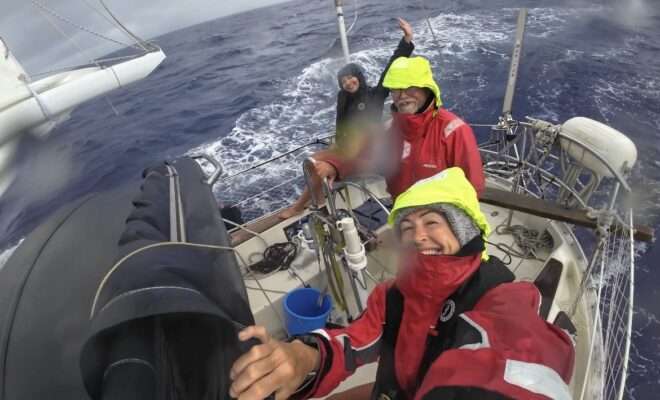
The lead marine mammal researcher at the Cape Eleuthera Institute (CEI), Natalie Hodges, recently returned from two weeks at sea studying sperm whales.
Aboard research vessel SV Balaena, Natalie joined a sperm whale research project led by Dr. Hal Whitehead of Dalhousie University, Nova Scotia, in collaboration with The Bahamas Marine Mammal Research Organisation (BMMRO) and the University of St. Andrews, Scotland.
Balaena has been used as a research platform for marine mammal surveys across the Atlantic and Pacific, and since she first set sail in 1991, she has been at sea for 2,544 days!
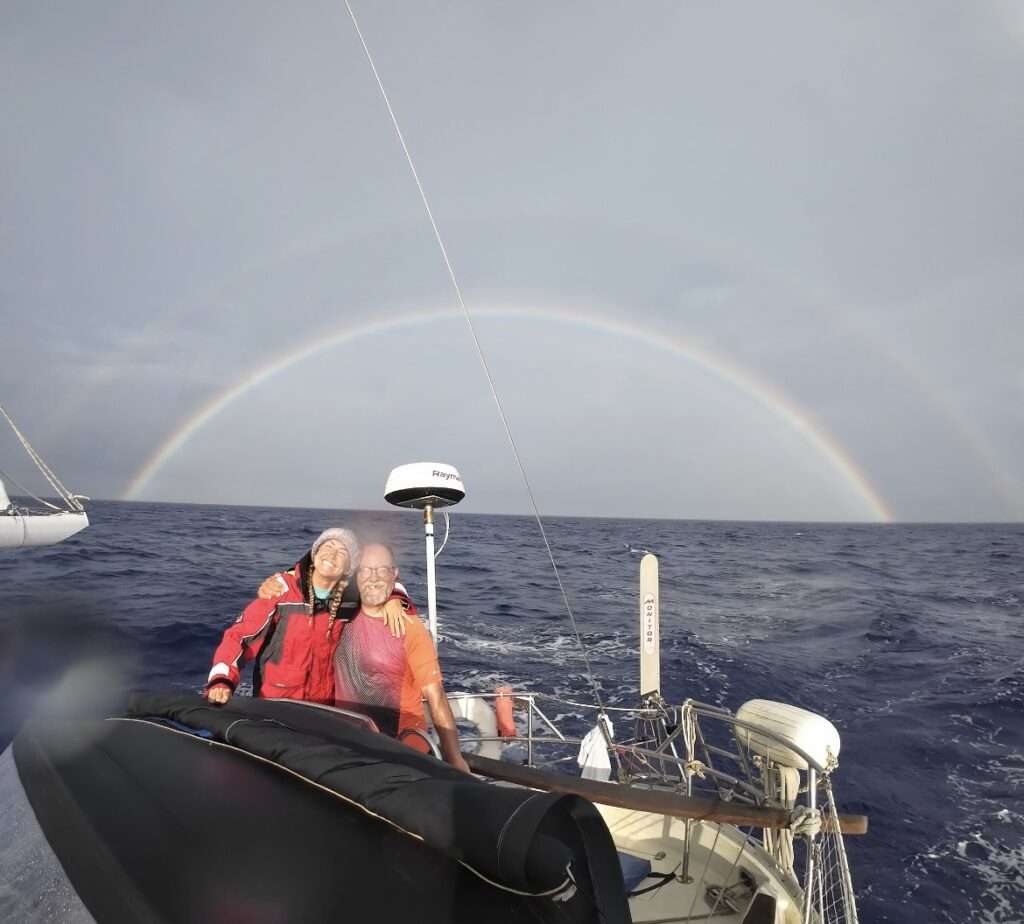
This trip was Balaena’s first voyage to The Bahamas. The survey focused on collecting acoustic and photo-identification data for sperm whale clans throughout The Bahamas, from Abaco down to Mayaguana.
BMMRO has been monitoring sperm whales in the northern Bahamas for over 30 years. Because Balaena is equipped to spend extended periods at sea, it made it possible to conduct this first survey to explore the more remote regions south of Eleuthera to investigate migratory patterns in these animals.
Sperm whales—like other toothed whale species found in The Bahamas—echolocate to find their prey, producing sounds called ‘clicks.’ Females with calves form stable long-term social units referred to as clans, and each of these clans will produce a unique pattern of clicks called a coda. Codas are believed to play a role in group recognition and reinforcing social bonds.
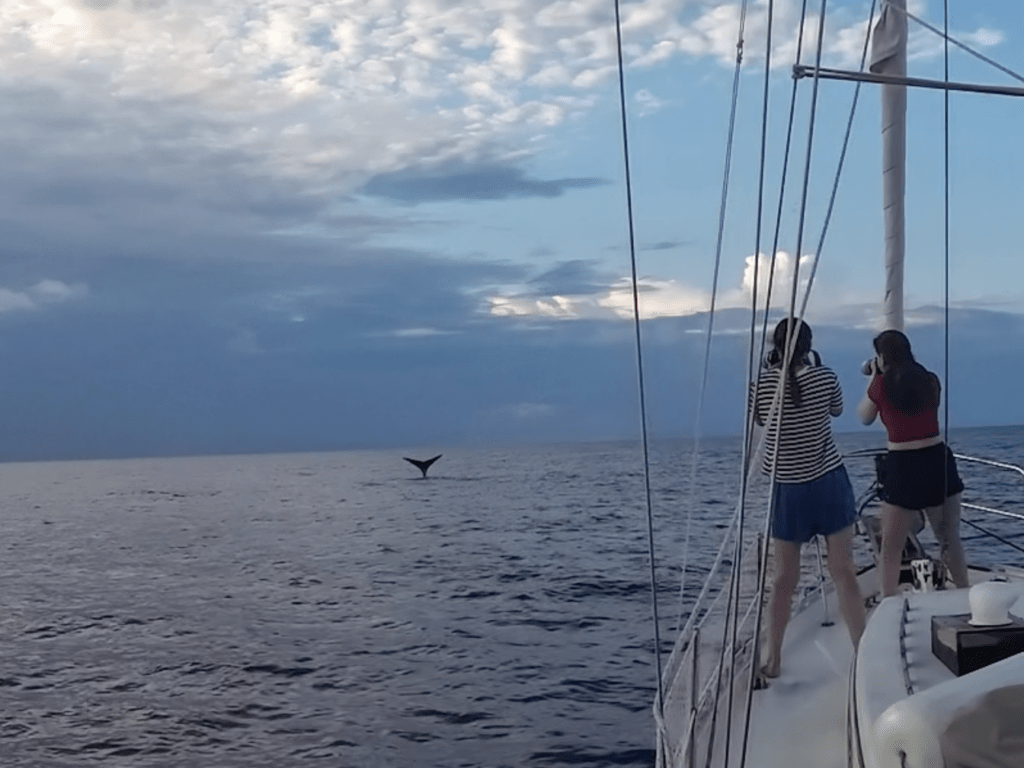
This project will compare codas produced by sperm whale clans encountered in The Bahamas and their relatedness to populations in the southern Caribbean, around the island of Dominica.
The final trip in this two-month field season was led by Dr. Luke Rendell of St Andrew’s University, who leads the Master’s in Marine Mammal Science in the Sea Mammal Research unit. Dr. Rendell’s work is focused on the evolution of culture in cetaceans—socially learned behaviours which are transferred laterally through learning rather than being genetically inherited.
Thank you to BMMRO for supporting this collaborative project and bringing together scientists from Canada, Scotland, Ukraine and The Bahamas to learn more about the complex social lives of the sperm whales inhabiting our waters.