Spring 2026 Student Research Project: Marine Protected Areas
Each semester, Island School students dive into hands-on research alongside scientists from the Cape Eleuthera Institute, contributing to meaningful, place-based studies that explore the unique ecosystems of The Bahamas. These Spring 2026 research groups—focused on queen conch, Marine Protected Areas (MPA), corals, sharks, marine mammals, black land crabs, agroforestry, and sustainable systems—are tackling real-world questions with curiosity, collaboration, and care.
In this blog series, students share their experiences, challenges, and discoveries as they navigate the research process and deepen their understanding of both science and self.
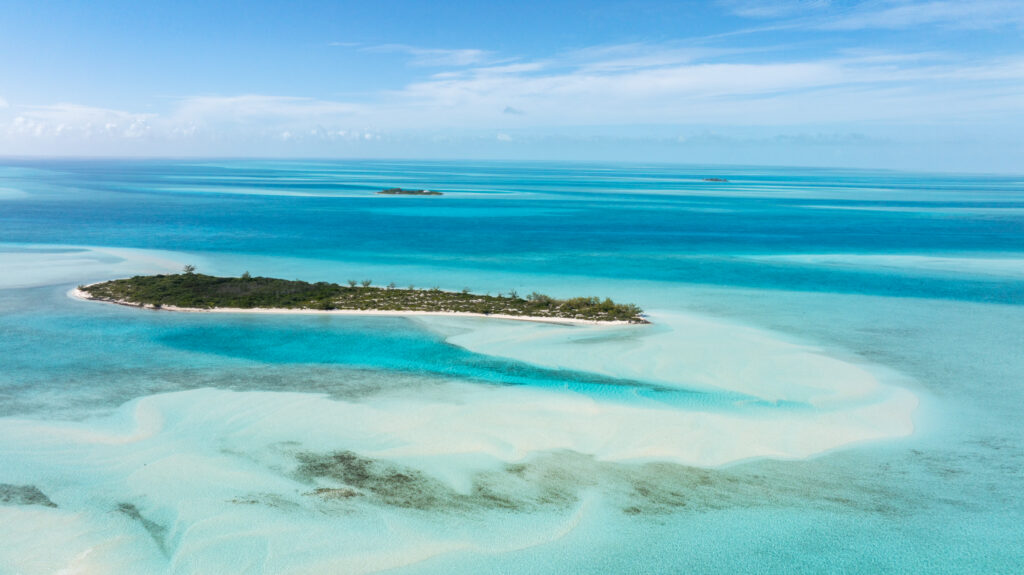
Conch-servation in South Eleuthera
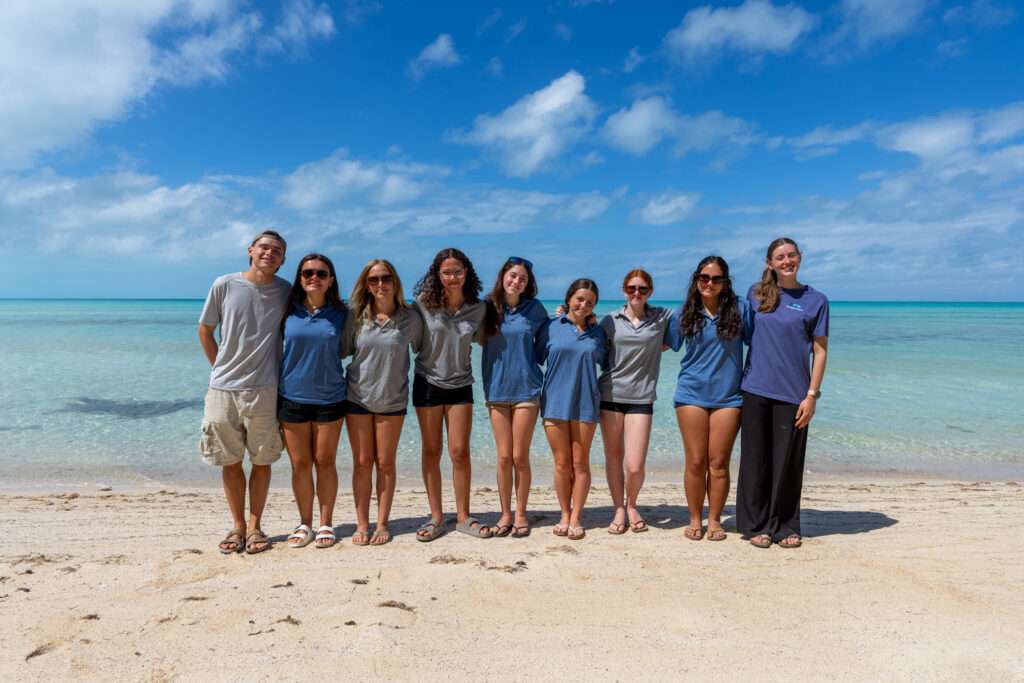
Written by the marine protected area research team: Isabella Rodriguez, Piper Garcia, Ella Wepman, Lidia Rosenbloom, Zella Reynolds-Lund, Charlotte Smith, Caroline Hunton, led by Kennedy Bliss and assisted by Nico Novara Christians, Natasha Vogt
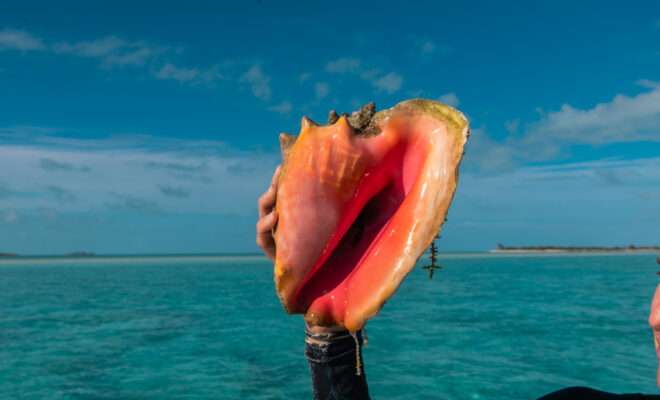
Queen conch (Aliger gigas) are a vital component of the Bahamian economy, culture, and lifestyle. Their beauty and delicious taste have become a staple across The Bahamas, and many locals rely on them for income and their well-being. They are a benthic species, meaning that they live at the bottom of the ocean, typically in shallow waters, and thrive where seagrass and algae are present. Conch are density-dependent reproducers, requiring close proximity in order to successfully maintain their populations.1
Since The Bahamas is a chain of islands completely surrounded by water, a very common line of work in The Bahamas is fishing. Conch fishing is especially popular because conch are slow-moving, easy to catch and dive for. Fishing provides The Bahamas with a huge portion of its food, as well as strongly impacting individual incomes and economic status. Fishing can be easily overdone, and a lot of times, not enough attention is paid to the number of conch or fish being harvested. This has resulted in overfishing for conch, leading to a drastic drop in the population.
One 2011 study in the Exuma Cays even indicates a 91% decline in the density of adult conch over a 20-year period.2 Conch plays a major role in Bahamian culture and is an extremely common food source across the islands. This decline is detrimental to Bahamian culture, as there are over 9,000 conch fishers across the islands, and around two-fifths of rural communities rely on the consumption of conch every week.3
So, where do we come in? Well, the conch can’t save themselves. Our goal is to ensure there are productive conch breeding and nursery grounds. Because of the heavy trend of overfishing throughout The Bahamas, we aim to determine the rate at which queen conch populations are declining, as well as find ways to stop the decline, such as the installation of community-led marine protected areas (MPAs).
But before we can establish an MPA, we need to figure out where it should be! It is also important to understand how the community might be affected by an MPA. As conch fishing is a vital part of the economy and the culture in The Bahamas, it is important to consider how different regulations within an MPA will affect the surrounding communities.4
In our research, we are trying to understand how the number of juvenile queen conch and habitat conditions have changed over time in South Eleuthera. One of our objectives is to identify potential breeding and nursery grounds for queen conch. Our main hypothesis is that the juvenile conch population is decreasing due to climate change and overfishing.
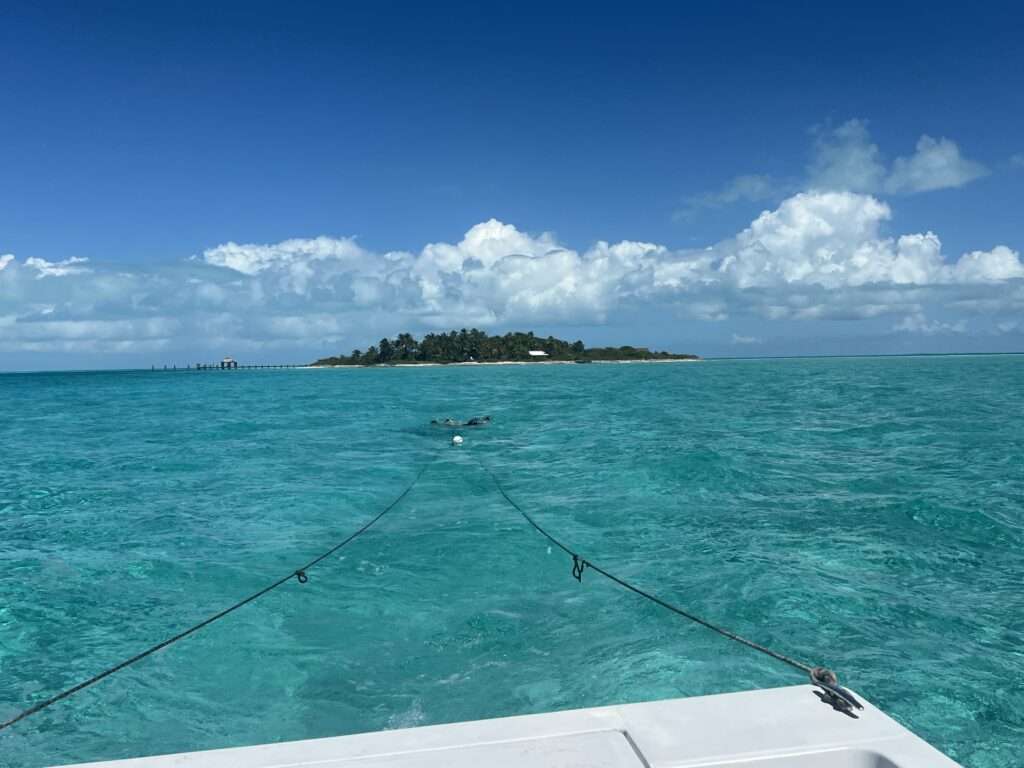
In order to figure this out, we have been counting the number of conch surrounding the Schooner Cays, as well as noting the habitat characteristics and depth. We do this by towing two students behind a boat using a manta tow. This allows them to snorkel and count the conch as they are pulled through the water.
We believe that increased protection in the Schooner Cays could help restore an important nursery ground for juvenile conch and support population growth. However, it isn’t that straightforward. While working with the government is an important part of establishing a formal MPA, research shows that when local communities are also involved in the process, they are more likely to support and help enforce its rules.5 In addition, gathering community input helps ensure that the MPA does not unintentionally harm those who rely on these resources.
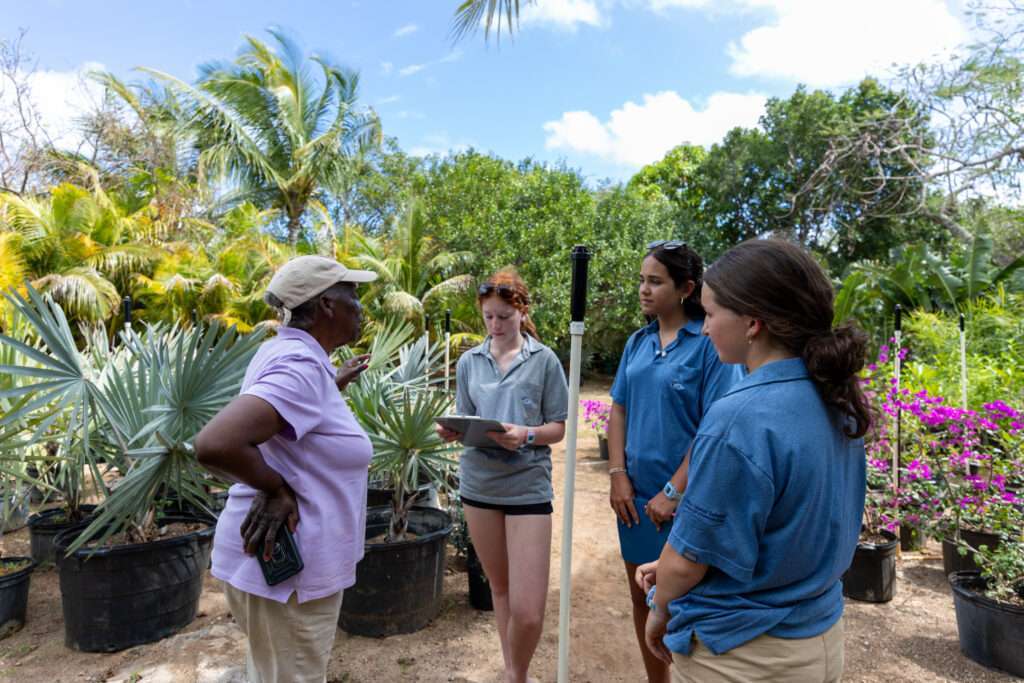
To gather community opinions, we conducted interviews at random by approaching people in well-populated areas (grocery stores, docks, restaurants) and asking them a series of questions about themselves and their relationship to conch. We asked whether they regularly eat conch, where they get their conch, and whether they think that conch populations are decreasing or increasing. Additionally, we asked if they would participate in an MPA if one were established, and whether there was anything that the government or our team could do to increase their willingness to participate.
Overall, we hope to support ongoing efforts to establish a community-led protected area in a high-density conch habitat to help restore the queen conch population. By conducting surveys, we can better understand which areas have low conch density and which are less affected. This will help us identify where protection may be most useful. Conch is culturally and economically important to The Bahamas, and protecting it is key to supporting the livelihoods of local communities.
Reference
- Kough Andrew S. G John, Shedd Aquarium, (22 June 2024), Empirical support of predicted larval connectivity patterns demand conservation action for queen conch (Aliger gigas) in The Bahamas DOI: 10.1111/csp2.13162
- Horn, Calusa. “Endangered Species Act Status Review Report: Queen Conch (Aliger Gigas).” NOAA Technical Memorandum NMFS-SEFSC ; 756, 2022. DOI.org (Datacite), https://doi.org/10.25923/4YKR-1M56.
- “Takeaways from AP Report on Overfishing’s Threat to Conch.” AP News, 6 Apr. 2023, https://apnews.com/article/conch-overfishing-saving-food-extinction-bahamas-02b85c7e2ac7cb1e7a6fb39a7d3647f7.
- Lopes P.F.M., Pacheco S., Clauzet M., Silvano R.A.M, & Begossi A, (2014) Fisheries, tourism, and marine protected areas: Conflicting or synergistic interactions?
- Battaglia Maria B., Pittman Jeremy, Epstein Graham B., Bernardi Giulia, Armitage Derek, (2025) Marine protected areas governance, social norms, and social networks