CEI Researchers Join Caribbean Blue Foods Workshop
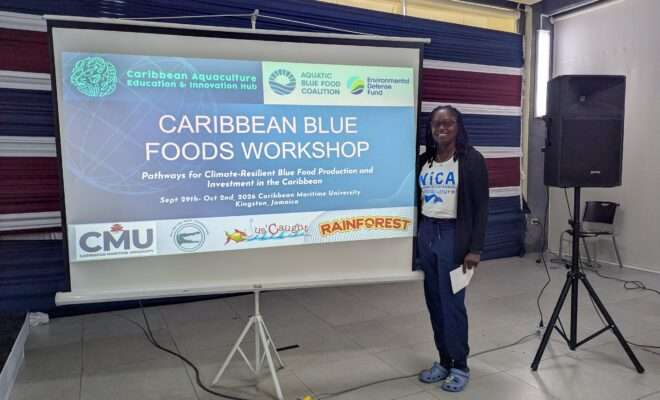
The Cape Eleuthera Institute (CEI) recently participated in the Caribbean Blue Foods Workshop at the Caribbean Maritime University in Kingston, Jamaica, from September 29-30.
CEI’s Aquaculture Manager, Mia Avril, joined stakeholders from across the Caribbean and the mainland United States, including aquaculture producers, university researchers, students, feed manufacturers, geneticists, government representatives, conservation practitioners, small business financiers, and private-sector leaders.
As a panelist, Avril shared perspectives from CEI’s aquaculture research programs in The Bahamas, highlighting the importance of practical research, innovation, and accessible learning opportunities in supporting sustainable aquatic food production. CEI’s approach combines research with hands-on education to provide opportunities for students, emerging professionals, and collaborators to engage directly with aquaculture systems and the challenges associated with developing the sector.
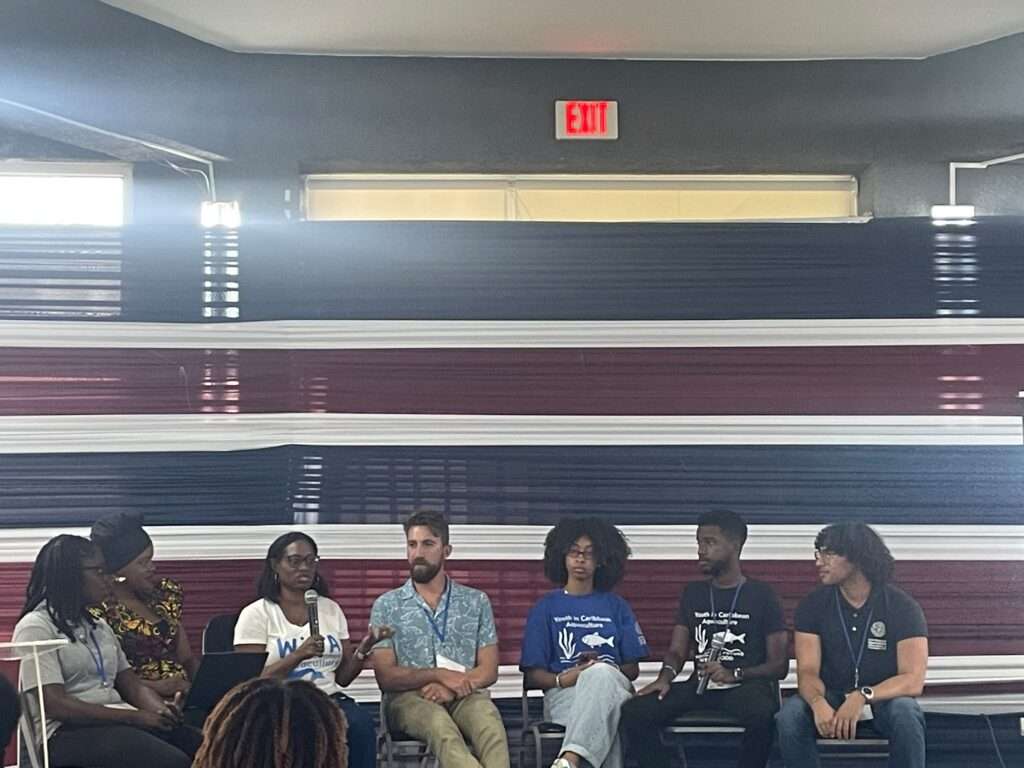
The two-day workshop featured presentations and panel discussions exploring the opportunities and constraints facing freshwater and marine aquaculture throughout the region. Discussions highlighted three major barriers to sector growth: education and technical capacity, supportive policies, and access to essential production inputs, including feed and other resources needed for successful aquaculture operations.
The workshop concluded with a collaborative blueprinting exercise facilitated by the California-based Aquatic Blue Food Coalition. Participants identified shared priorities and potential actions to support a more coordinated and sustainable regional aquaculture sector. The resulting recommendations will be consolidated into a document intended to inform Caribbean governments and other stakeholders as they consider future policy, investment, education, and industry development.
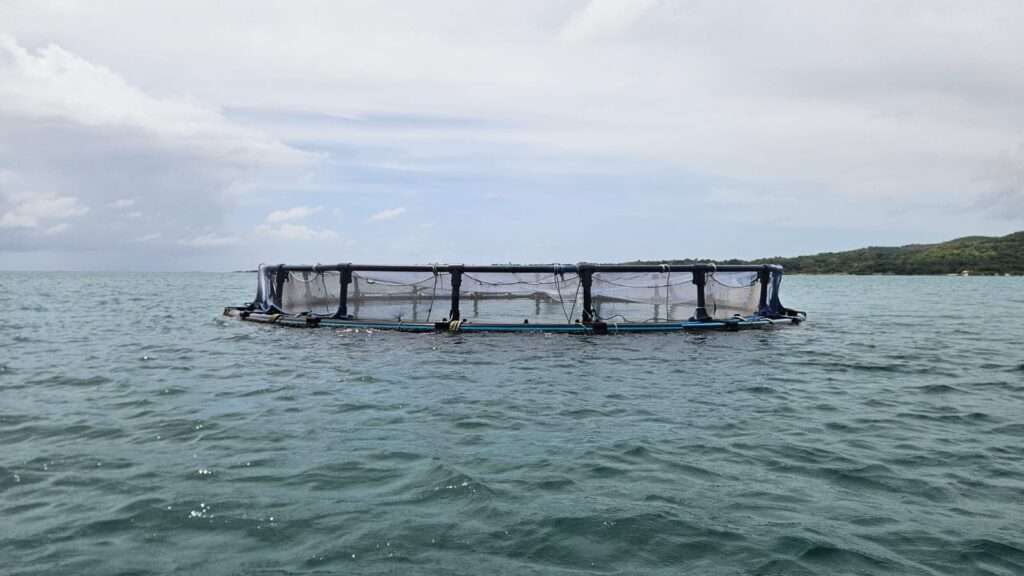
Beyond the formal sessions, participants spent three additional days visiting local fish farms and the Alligator Head Foundation, gaining firsthand insight into aquaculture operations and marine conservation initiatives in Jamaica. One visit of note was to an ocean-based cage for the grow-out of red drum fish, through a collaboration between FAO and the Jamaican National Fisheries Association. These visits provided opportunities for practical knowledge exchange and strengthened connections among regional stakeholders.
The workshop was preceded by a board meeting of the Caribbean Aquaculture Education and Innovation Hub (CAEIH), in which Avril also participated. The meeting focused on the Hub’s role in advancing regional aquaculture education and innovation, strengthening partnerships, and identifying priorities for future collaboration.
CEI’s participation reflects its commitment to bridging research, education, and practical application in support of sustainable food production. Through its aquaculture programs, the Institute works to develop and evaluate production approaches relevant to The Bahamas and the wider Caribbean, while creating opportunities for students and emerging professionals to gain experience in the field.
The Caribbean Blue Foods Workshop marked an important step toward a shared regional vision for aquaculture, emphasizing the need for collaboration among researchers, producers, educators, policymakers, and industry partners to strengthen food security, support livelihoods, and advance sustainable blue food systems.