Climate Change Susceptibility of Bahamian Fishes: The Tropical Marine Ecophysiology Lab at CEI
Fish live in almost all bodies of water on Earth, and where temperatures range from -1.9℃ to more than 42℃ (~ 29 – 108oF) and water oxygen levels vary from anoxic—the absence of oxygen—to hyperoxic, a condition where oxygen levels are unusually high.
Aquatic environments are characterized by short- and long-term fluctuations in water temperature. Short-term fluctuations over the course of a day and from day to day can be the result of changes in weather (including heat waves and cold fronts), while long-term fluctuations include seasonal, decadal, millennial, and so on.
These changes will become a more serious challenge for many marine species as climate change impacts environmental conditions around the world. For example, average global ocean temperatures are projected to increase by an additional 1– 3°C by the end of the century, and this will be associated with more widespread and severe heat waves and periods of hypoxia (low water oxygen levels) in coastal regions. Thus, temperature and oxygen are key environmental factors that will influence the physiology, fitness, distribution, and survival of fishes in the future, and impact aquaculture production and sustainability.

Exploring The Effects of Changes In Environment on Fish
Dr. Kurt Gamperl is a fish biologist from Memorial University in Newfoundland (Canada) who studies how changes in environmental factors affect fish physiology (i.e., how the bodies of living organisms—including cells, tissues, organs, and organ systems—function). Dr. Gamperl has been investigating how these changes affect fish swimming ability, growth, disease resistance, heart function, and environmental tolerances, and more, for the past 35 years.
This work has focused on:
- Studying the environmental physiology and biology of north temperate fishes (e.g., Atlantic salmon, rainbow trout, Arctic char, lumpfish, Atlantic cod, sablefish, and wolffish); and
- Improving culture conditions for, and the production of, finfish.
However, in the early 2020’s, Dr. Gamperl wanted to compare his findings to those on tropical fishes, and came to realize that there were very limited data on this diverse and very important group of fishes.
Dr. Iain McGaw, also from Memorial University, has been conducting research on land crabs at the Cape Eleuthera Institute (CEI) for almost a decade, and suggested that Dr. Gamperl visit The Island School and consider researching tropical fish species at CEI.
Establishing Fish Physiology Research at CEI
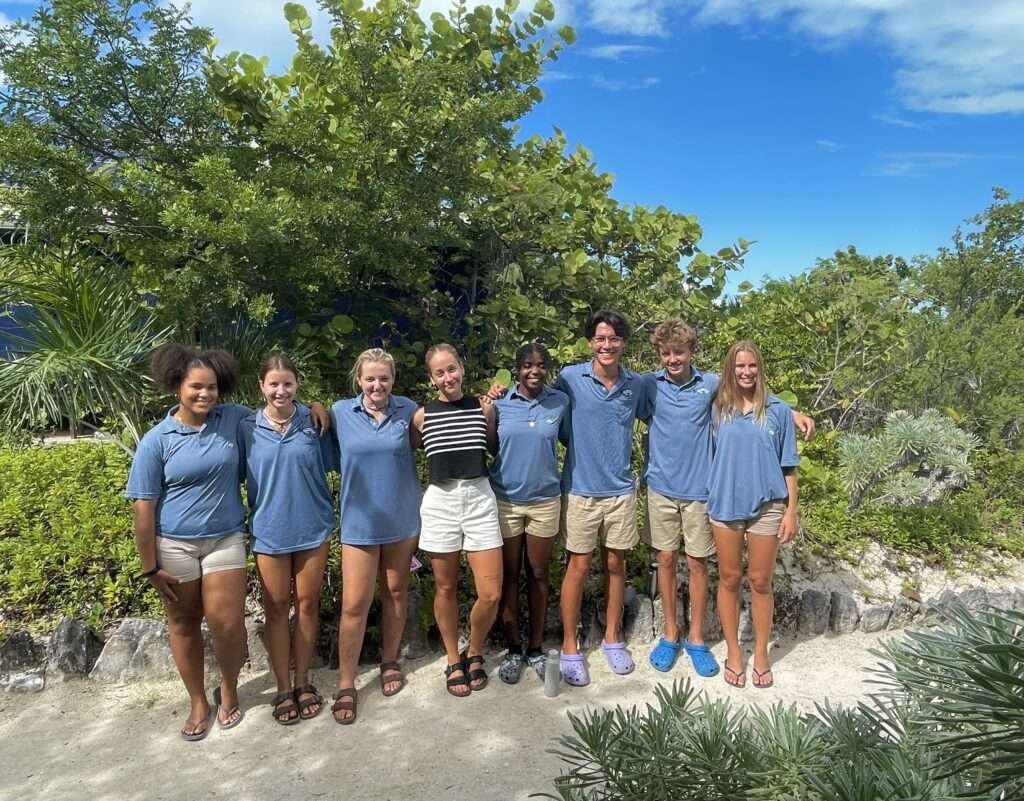
In 2022, Dr. Gamperl and members of his lab visited the campus for the first time and, in collaboration with CEI, established the Tropical Marine Ecophysiology Laboratory (TMEP-Lab) to: i) measure environmental conditions (i.e., water temperature, oxygen levels, and salinity) in various marine habitats, and determine their impacts on important Bahamian fish species; ii) train the next generation of scientists in fish physiology (graduate students, post-doctoral fellows, CEI interns and IS semester students); and iii) work collaboratively with local fishers to understand the impacts of climate change, and to better protect these valuable resources.
Over the past 4 years, the research capacity of the TMEP-lab has grown tremendously, and it has developed into a world-leading laboratory for the study of how the physiology of tropical marine fish species can be used to understand their biology and ecology. For example, 5 Island School Semester classes in Fish Physiology have been taught by TMEP-Lab members; it has hosted 10 trainees and collaborators from Canada and several other countries; and by the end of the year, there will be more than 10 scientific publications based on work conducted at CEI.
How Do Environmental Changes Impact Fish in The Bahamas?
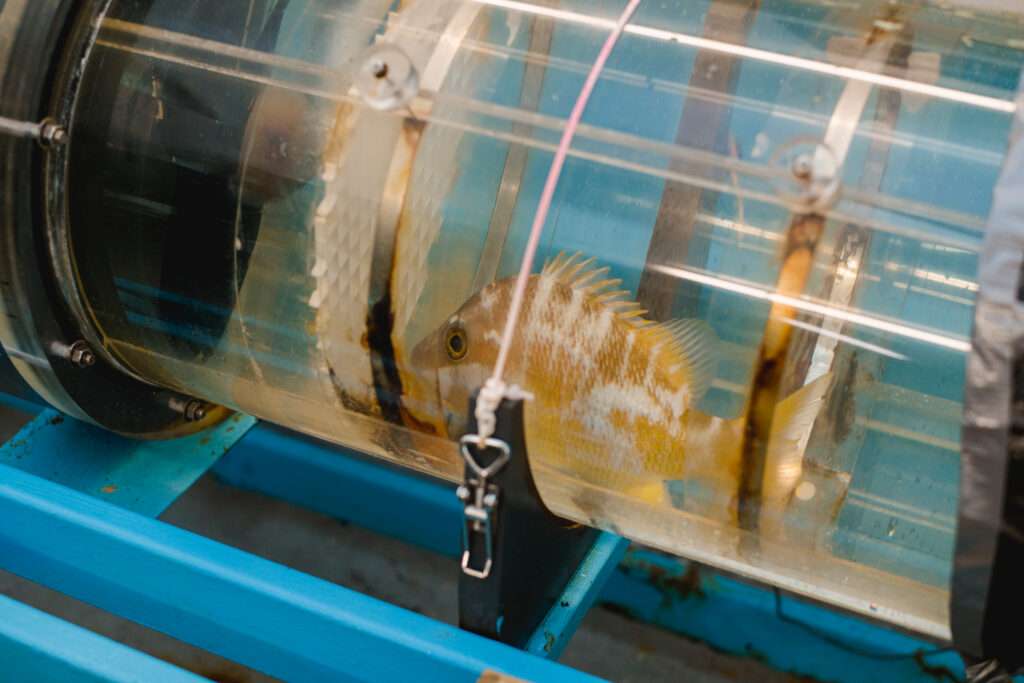
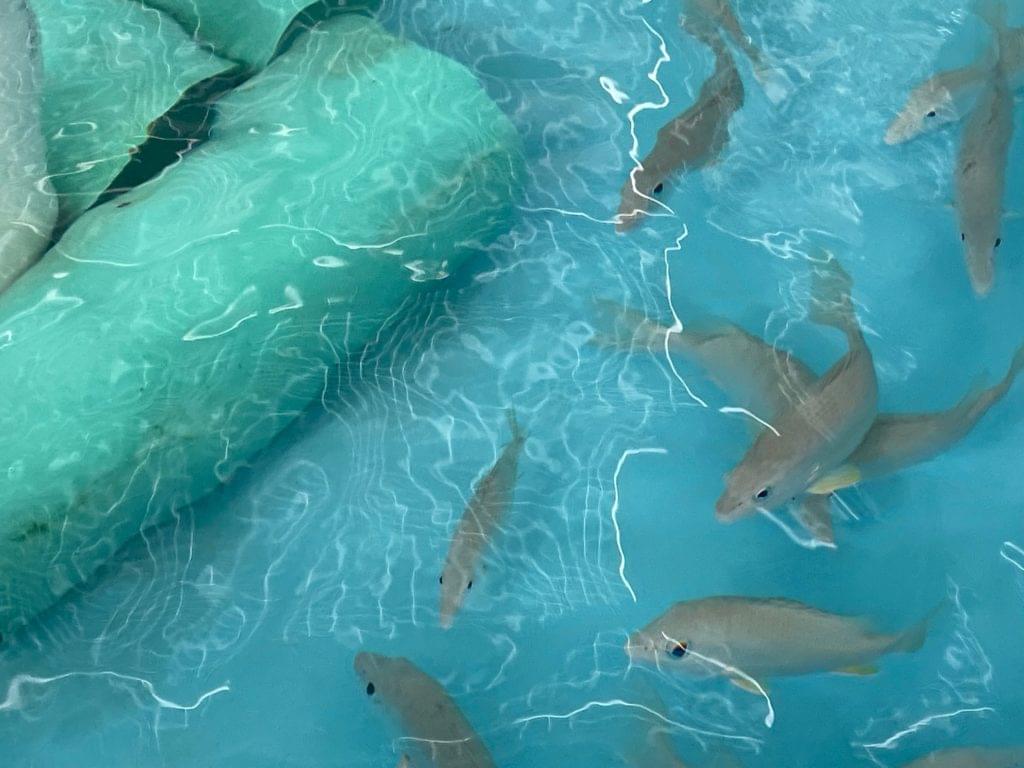
This research has addressed a diverse set of biological questions, but focused primarily on 3 species with different life histories: the Nassau grouper (ambush predator, endangered species), schoolmaster snapper (resident of mangrove creeks and reef generalist), and the scaled sardine (a ‘baitfish’, and key food source for many Bahamian marine predators).
This research has also revealed that climate change-related increases in water temperature of only a few degrees may negatively impact the physiology, distribution, and survival of Nassau grouper and scaled sardine, which could have significant ecological and economic impacts in The Bahamas. However, like the tilapia, which Dr. Gamperl also studies at CEI, the schoolmaster snapper is a highly resilient species that is tolerant of very poor environmental conditions (water temperatures up to 102oF and oxygen levels down to 5% of normal levels). Additionally, we have identified a number of the physiological mechanisms that underlie this large difference in environmental tolerance between these species (i.e., related to metabolic capacity, and heart and mitochondrial function), and this information may prove invaluable in predicting the climate change resiliency or vulnerability of other tropical marine fishes in The Bahamas.
Although the TMEP-Lab has accomplished a lot in the short time since it was established, there are many other important questions to answer, as well as a need for field-based studies that would add greatly to our understanding of tropical fish biology and validate our lab-based work.
In the next few years, research will focus on two groups of fishes:
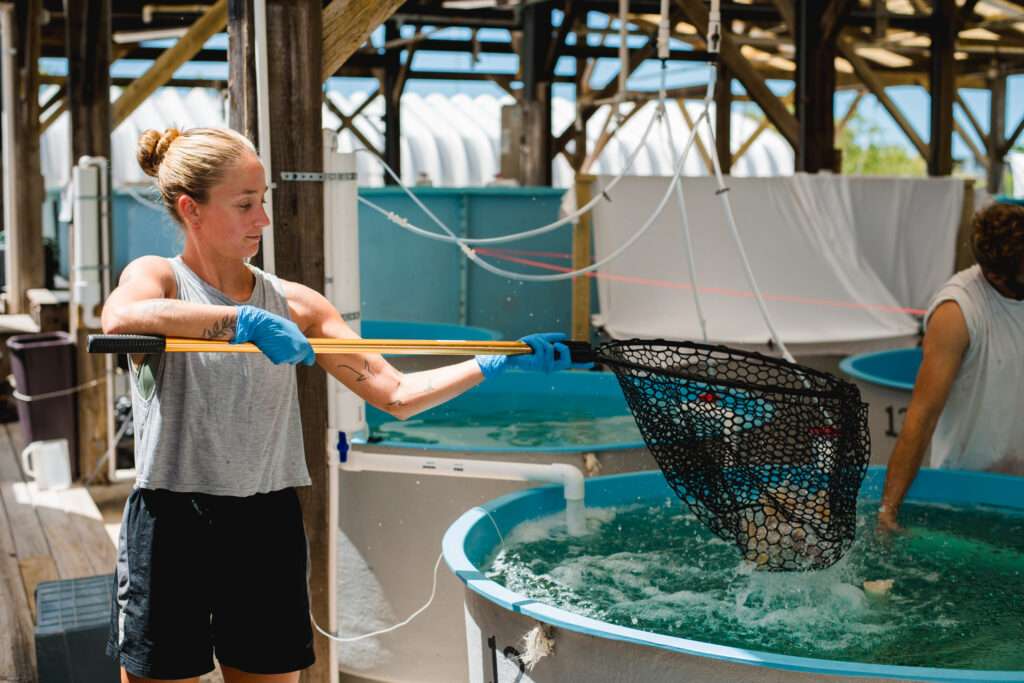
- Fish that inhabit mangrove creeks for a significant portion of their life cycle—such as the checkered puffer, yellowfin mojarra, and schoolmaster snapper—to see if resiliency in the face of environmental extremes is a characteristic of species that inhabit this unique marine environment, and examine the physiological mechanisms involved.
- Other ‘bait fish’ species include the ballyhoo (‘half beak’) and white mullet. These species are of critical importance as a food source for sport fishes and marine birds and mammals.
We will also use physiological telemetry (i.e., transmitters put inside the fish) to understand the environmental tolerances and behaviour of various Bahamian fish species when exposed to the most environmentally challenging (i.e., peak summer) conditions. Finally, it is anticipated that scientists from around the globe will start to use the TMEP-Lab as a base for studies of tropical marine fish physiology and for the training of students in this area, and that research conducted by the TMEP-Lab (in collaboration with CEI research staff) will expand to address questions on key invertebrate species such as the queen conch and spiny lobster. Research is lacking on the ecophysiology and culture of these animals, and they are critical species with regard to Bahamian marine ecosystems and of great economic importance to the Bahamas.
The establishment of the TEMP-Lab and the research it conducts could not have been possible without: the support of The Island School, specifically that of CEI’s former directors, Dr. Nick Higgs and Dr. Eric Schneider; the assistance of numerous IS and CEI employees, and the help of several individuals in collecting the fish required for this research [incl. Ernest Gomez and Edwin Hall (‘Bushy’)]. We thank the Departments of Environmental Protection and Planning and Marine Resources for providing the permits required for this research, IS and CEI for their continued support, and the Natural Sciences and Engineering Research Council of Canada, which provided the majority of funds needed to establish the TEMP-Lab and conduct the research.
If you are interested in supporting research conducted by the TEMP-Lab, or have any questions, please contact Catalina Albury (alburycatalina@islandschool.org) for more information.